







A New Type of Welcome: Why the Office Lobby Is Now a Strategic Asset
For decades, office lobbies served a simple purpose. They were polished, impressive, and quickly passed through. A place to arrive, check in, and move on.
Today, that role is changing.

As competition for tenants intensifies and expectations around workplace experience rise, the lobby has become one of the most valuable spaces in an office building. No longer just an entry point, it is evolving into a hospitality driven environment that supports work, connection, and community from the moment someone walks through the door.
From Pass Through to Place
Modern office users, particularly younger generations, expect more from shared spaces. They are looking for environments that feel welcoming, flexible, and useful throughout the day. In response, building owners and developers are rethinking lobbies as “third spaces” that sit somewhere between the office and the city.
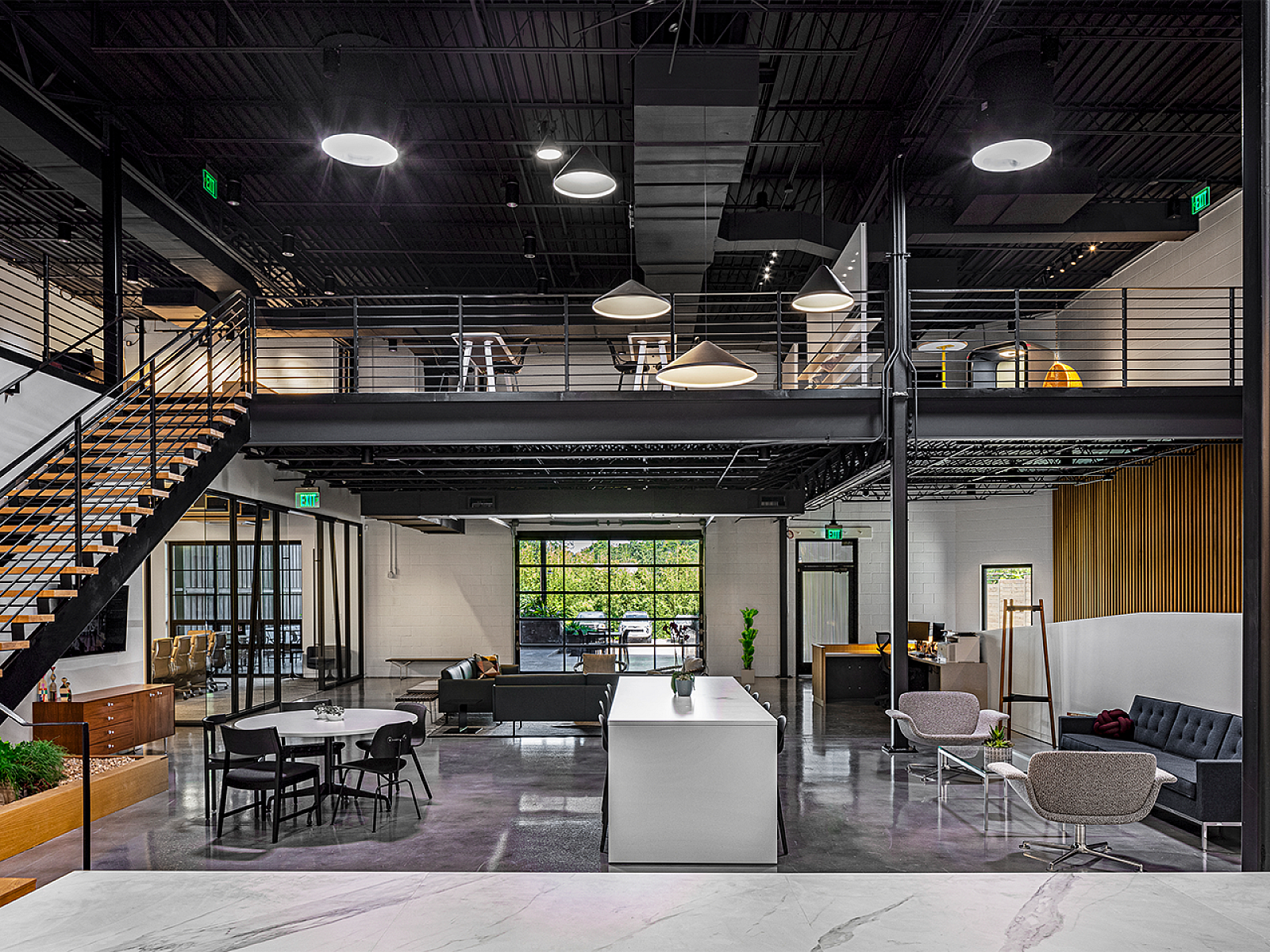
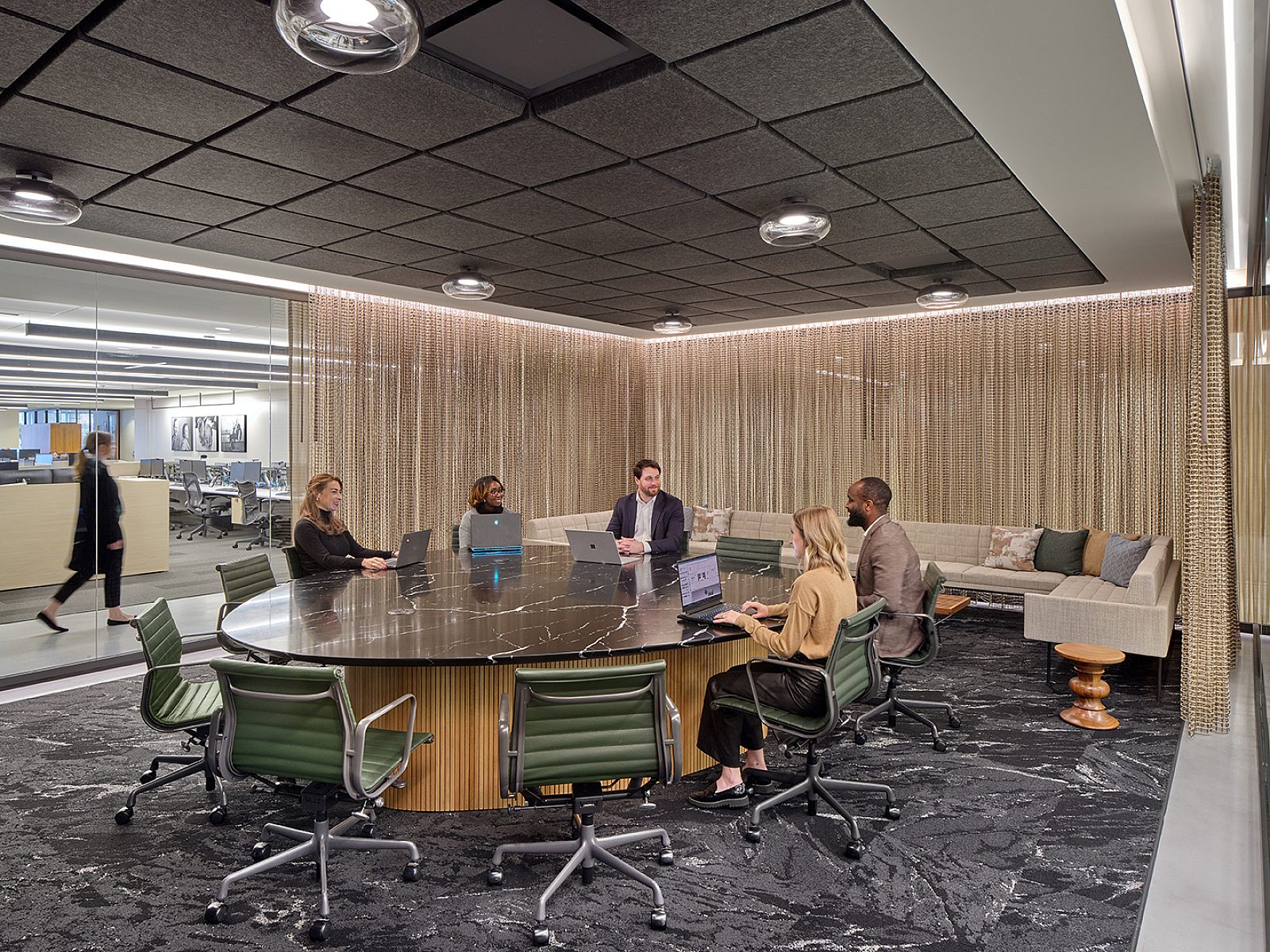
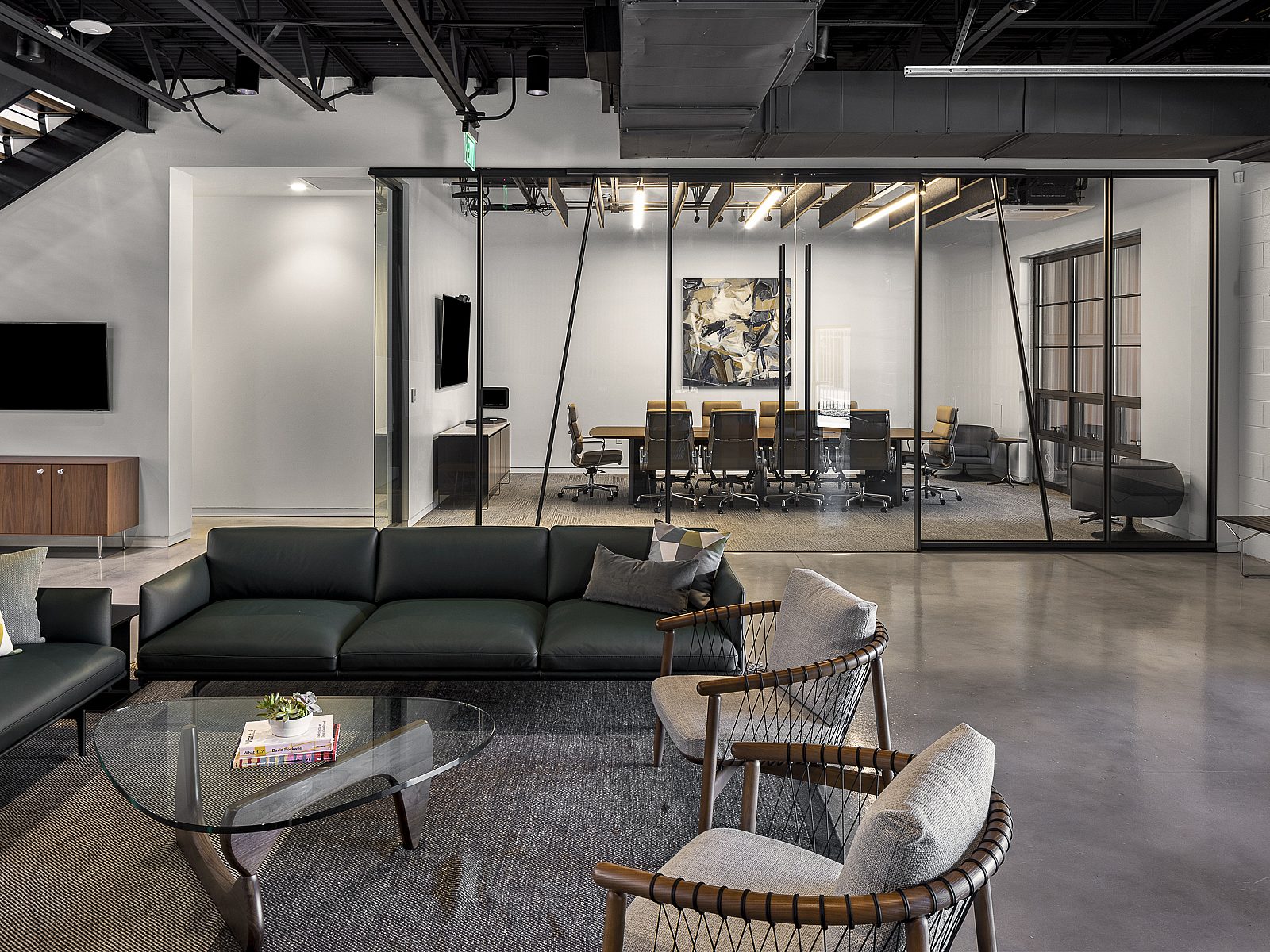
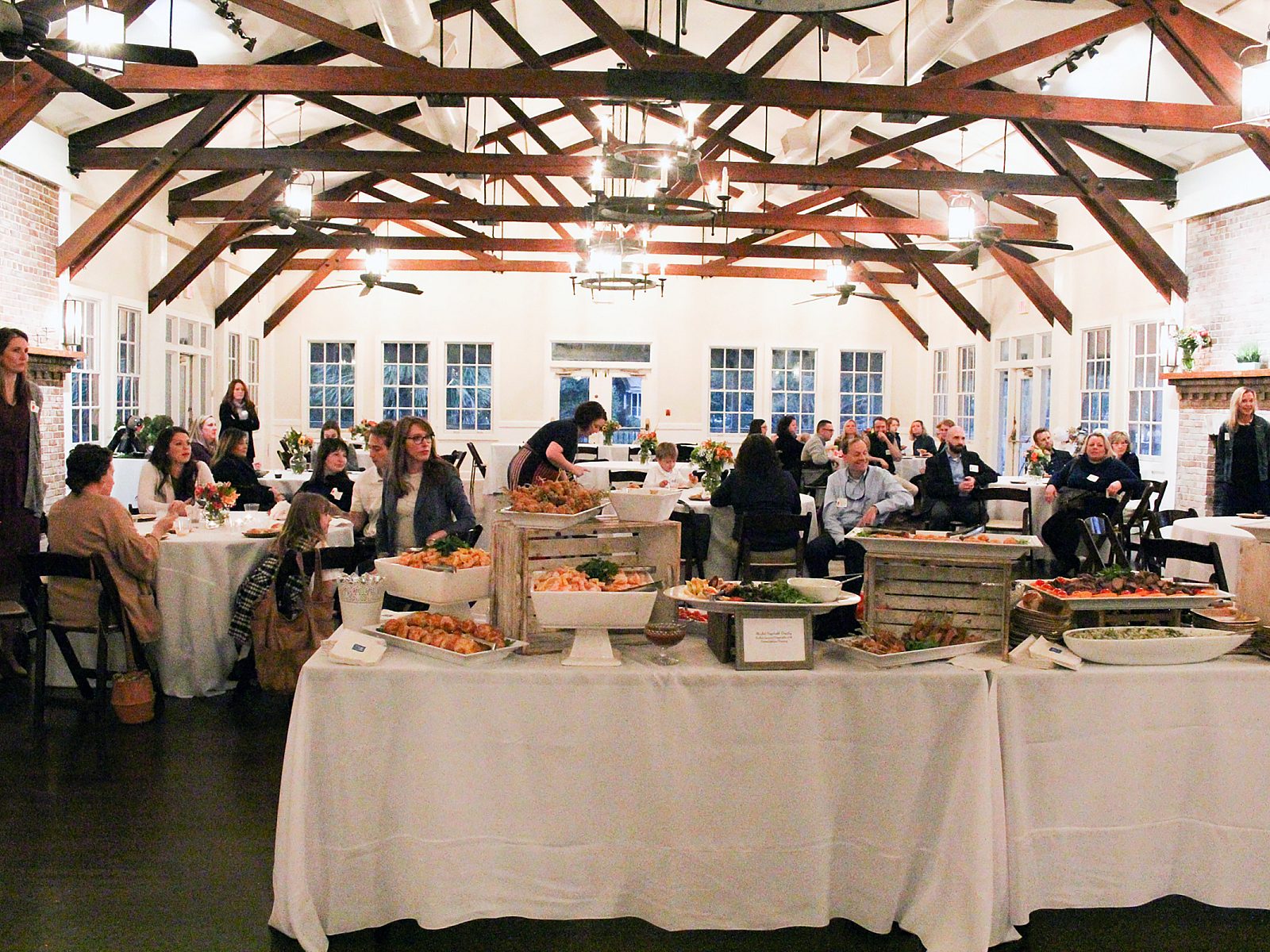
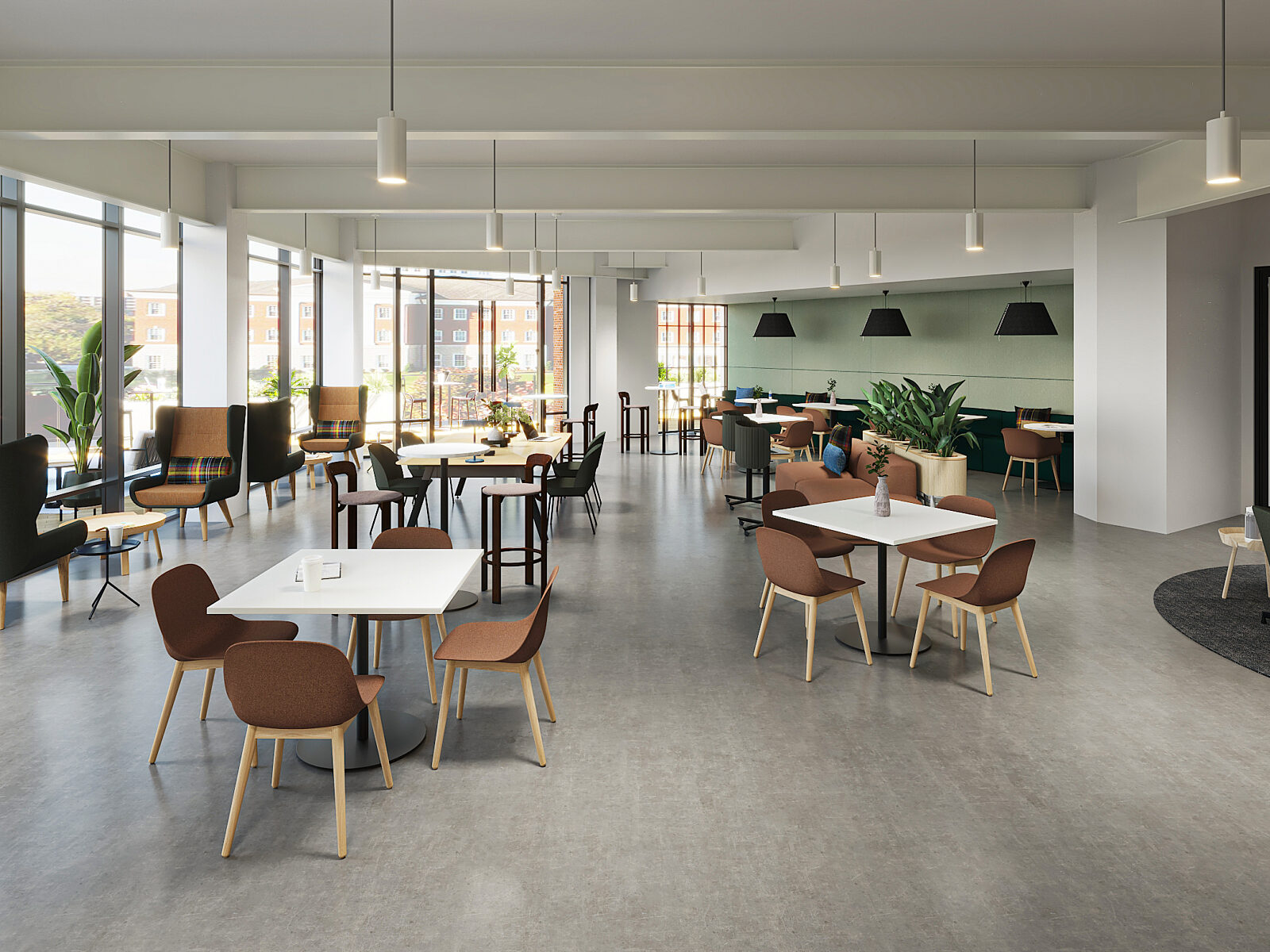
These reimagined lobbies offer comfortable seating, flexible layouts, and amenities that encourage people to linger. They support a range of activities, from solo work and informal meetings to company gatherings and events. Rather than being empty most of the day, the lobby becomes active, social, and purposeful.
This shift is being driven by more than design preferences. It is also tied to broader changes in the market.
Market Forces Are Accelerating the Shift
Retail demand has struggled to rebound in many markets, while demand for high quality office space is showing signs of strength. According to Cushman and Wakefield’s Q3 2025 Marketbeatreports, retail net absorption remains historically low, while nearly 60 percent of U.S. markets experienced positive Class A office absorption over the past year.
This imbalance creates an opportunity. As traditional retail footprints evolve, lobbies can step in to fill the gap with curated offerings such as coffee bars, grab and go food, wellness services, or rotating pop ups. These elements activate the ground floor, enhance tenant experience, and strengthen the building’s connection to its surrounding neighborhood.
The Lobby as an Experience Driver
What sets successful lobbies apart is not just aesthetics, but how they function day to day. Hospitality inspired design plays a key role here. Warm materials, natural light, and varied seating types create spaces that feel approachable rather than corporate.
Flexible furniture allows the lobby to shift throughout the day, supporting quiet work in the morning, collaboration midday, and events in the evening. Power access, acoustic considerations, and thoughtful zoning ensure the space works just as well for productivity as it does for first impressions.
In this way, the lobby becomes an extension of the workplace itself. It reinforces brand identity, supports hybrid work behaviors, and sets the tone for how people experience the building as a whole.
Blurring the Line Between Public and Private
Many of today’s most successful office lobbies intentionally soften the boundary between inside and outside. Transparent facades, open layouts, and clear sightlines invite the city in and make the building feel more accessible.
By positioning security thoughtfully and designing ground floors that encourage movement and gathering, lobbies can function as shared spaces that benefit both tenants and the surrounding community. This approach supports placemaking, activates street life, and helps office buildings feel like contributors to urban fabric rather than isolated corporate environments.
A Competitive Advantage in a Selective Market
As organizations become more selective about where they locate, the lobby has emerged as a key differentiator. It is often the first space prospective tenants, employees, and visitors experience, and it signals how much a building values comfort, connection, and experience.
More importantly, a well-designed lobby continues to deliver value long after the first impression. It supports daily work patterns, encourages interaction, and creates a sense of belonging that extends beyond individual office suites.
Redefining What Welcome Means
The evolution of the office lobby reflects a broader shift in how we think about workplaces. Buildings are no longer evaluated solely on square footage or location. Experience matters, and shared spaces play a critical role in shaping that experience.
By treating the lobby as a strategic asset rather than a transitional space, building owners and organizations can create environments that attract tenants, support modern work, and strengthen their relationship with the city around them.
The modern lobby is no longer just where you arrive. It is where the workplace begins.


