







Modularity as Strategy: Designing Workplaces That Evolve
Workplace design is no longer about getting it “right” once, it’s about getting it right over time. As hybrid work continues to shape how teams gather and operate, the need for spaces that can adapt has never been more important. At Alfred Williams Company, we approach this shift with a modular mindset that prioritizes flexibility, longevity, and thoughtful evolution.

Hybrid work may have stabilized, but workplace needs have not. As organizations continue to reassess how their teams operate, one thing is clear: the future of the office is not fixed, it is flexible. At Alfred Williams & Company, we see modularity not as a trend, but as a strategic response to ongoing change. Today’s workplace cannot be designed around static assumptions about headcount or daily attendance. With the majority of employees now operating in some form of hybrid model, the question is no longer what space is needed, it is how that space should perform over time.
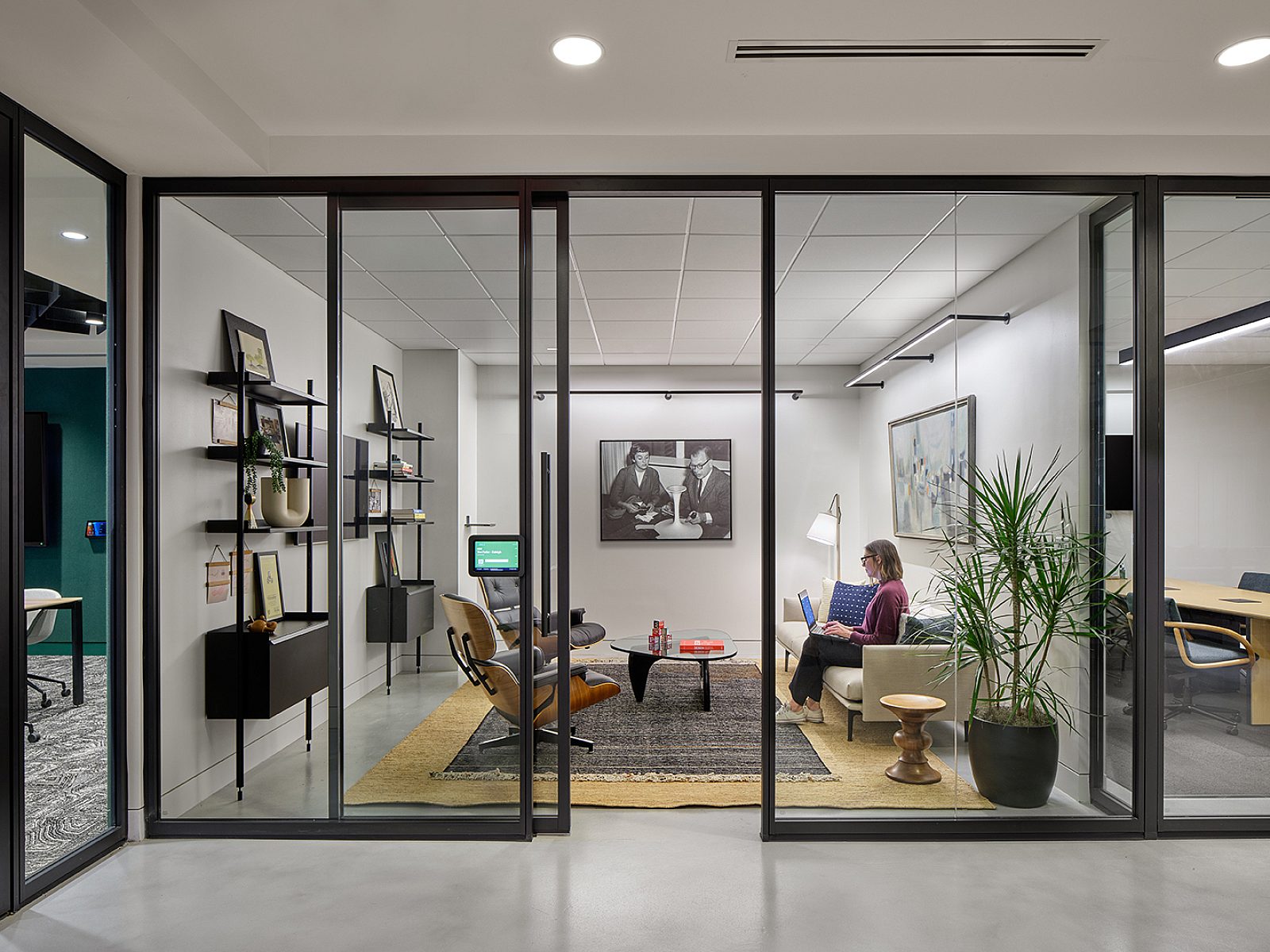
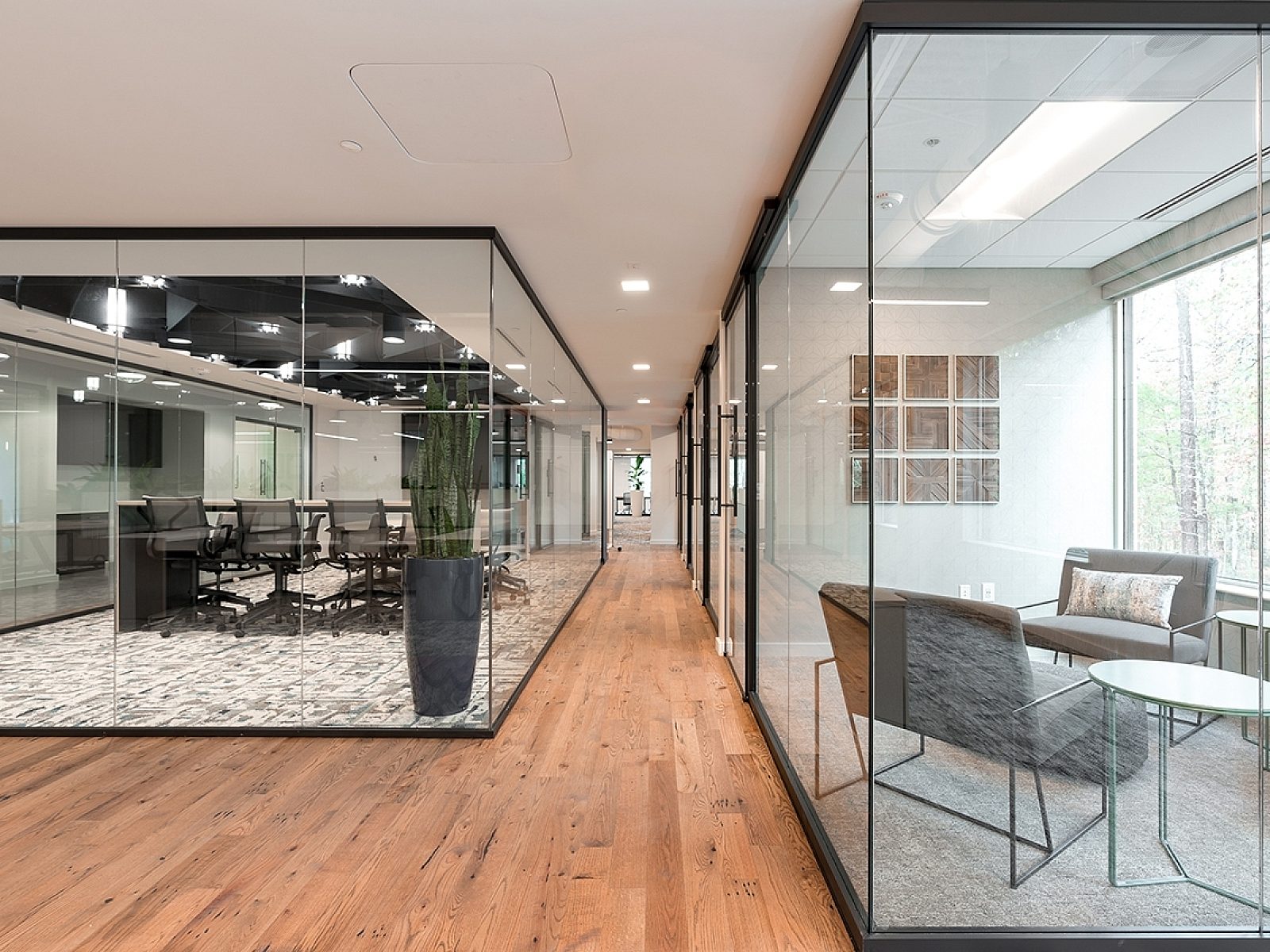
From demountable wall systems to adaptable furniture, modular design allows organizations to reconfigure their environments without starting from scratch. As a DIRTT partner, we have seen firsthand how integrated modular systems can streamline construction timelines while supporting long term flexibility. A single footprint can serve multiple functions, from private office to collaborative hub to workstation cluster, depending on what the moment demands.

Trying to predict long term needs using outdated planning models often leads to inefficiencies, whether that is underutilized square footage or environments that fail to support how people actually work. The most successful workplaces are those designed to evolve, spaces that can shift alongside a company’s culture, structure, and growth.
That is where modularity becomes essential.
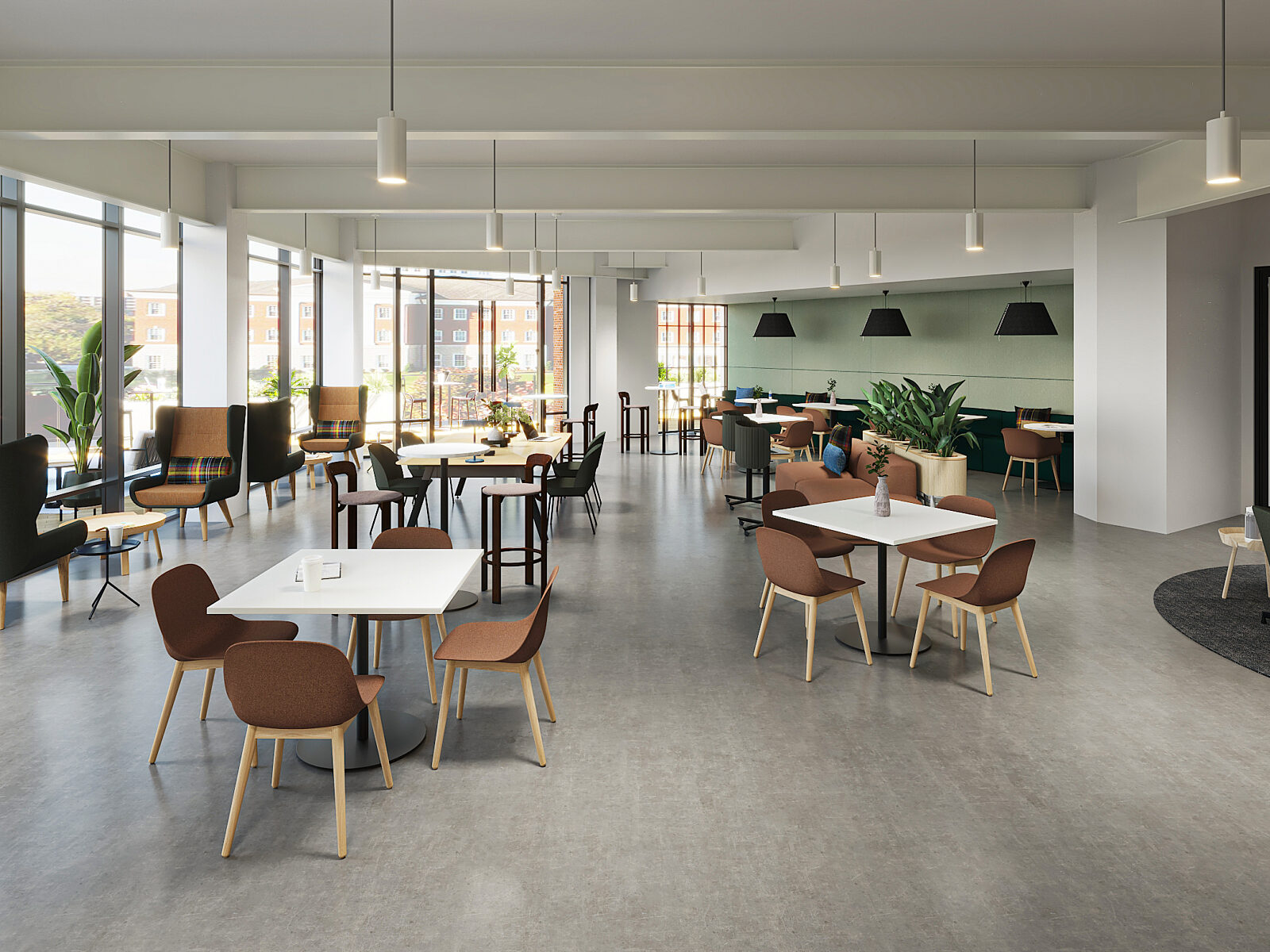
From demountable wall systems to adaptable furniture, modular design allows organizations to reconfigure their environments without starting from scratch. A single footprint can serve multiple functions, from private office to collaborative hub to workstation cluster, depending on what the moment demands. This approach not only maximizes flexibility, but also reduces long term costs and material waste, supporting more sustainable outcomes.

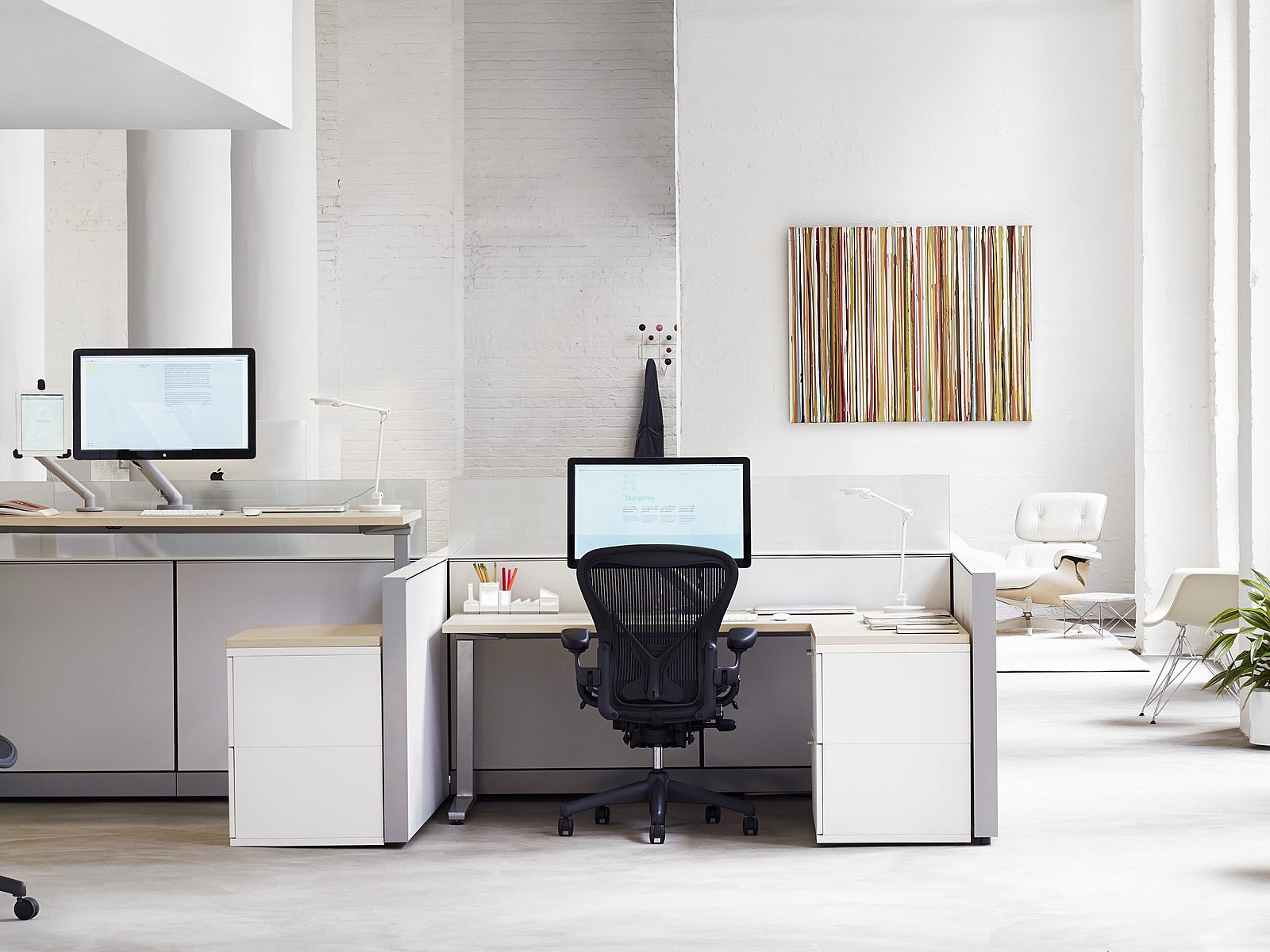
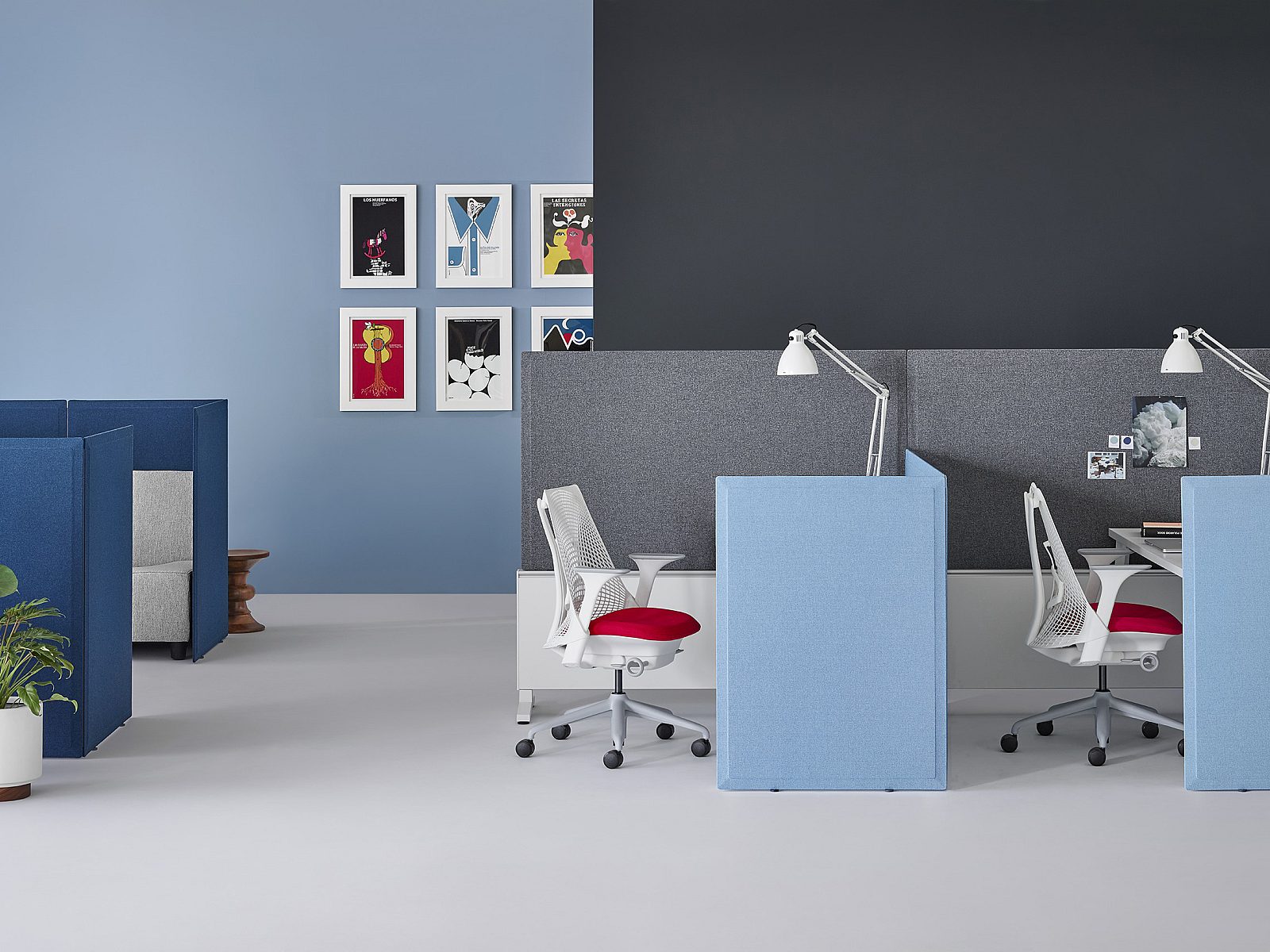
Importantly, modularity is not limited to large scale infrastructure. It shows up in the day to day experience of a workplace. Furniture that can be easily reoriented, expanded, or relocated empowers teams to adjust their environment in real time, without waiting on construction timelines or disrupting productivity.
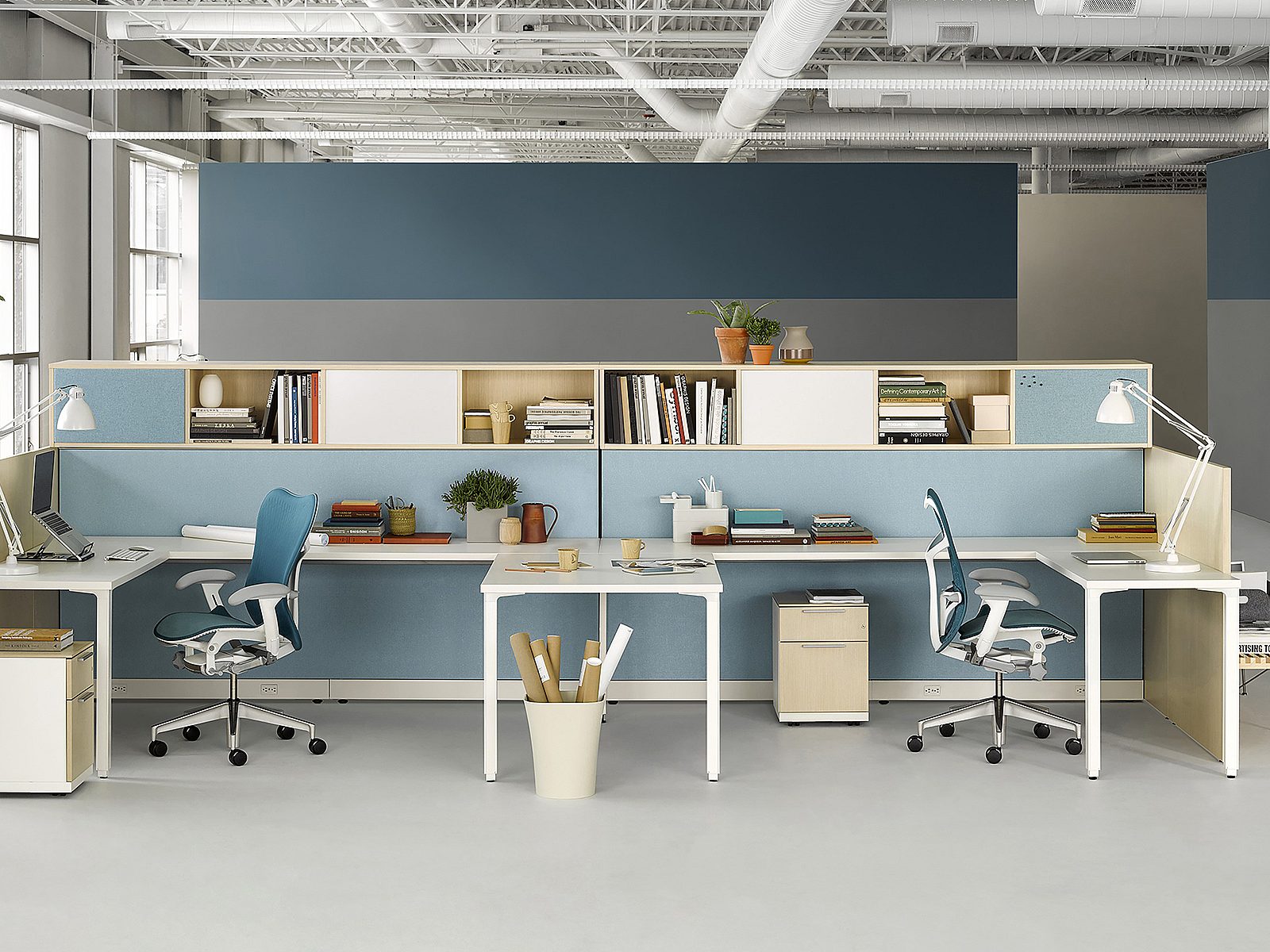
We are also seeing a shift away from one size fits all solutions like hoteling. While once considered efficient, these approaches often overlook a fundamental truth: people perform best when they feel a sense of ownership and comfort in their space. The goal is not to eliminate desks, it is to design smarter ones. Thoughtfully designed, flexible workstations can support both individual focus and team collaboration, without sacrificing efficiency.
Ultimately, modularity is less about anticipating the future and more about being ready for it. It is a design philosophy rooted in adaptability, resilience, and longevity.
Because in a world where change is constant, the most valuable workplace is not one that gets it exactly right on day one, it is one that can keep getting it right over time.