
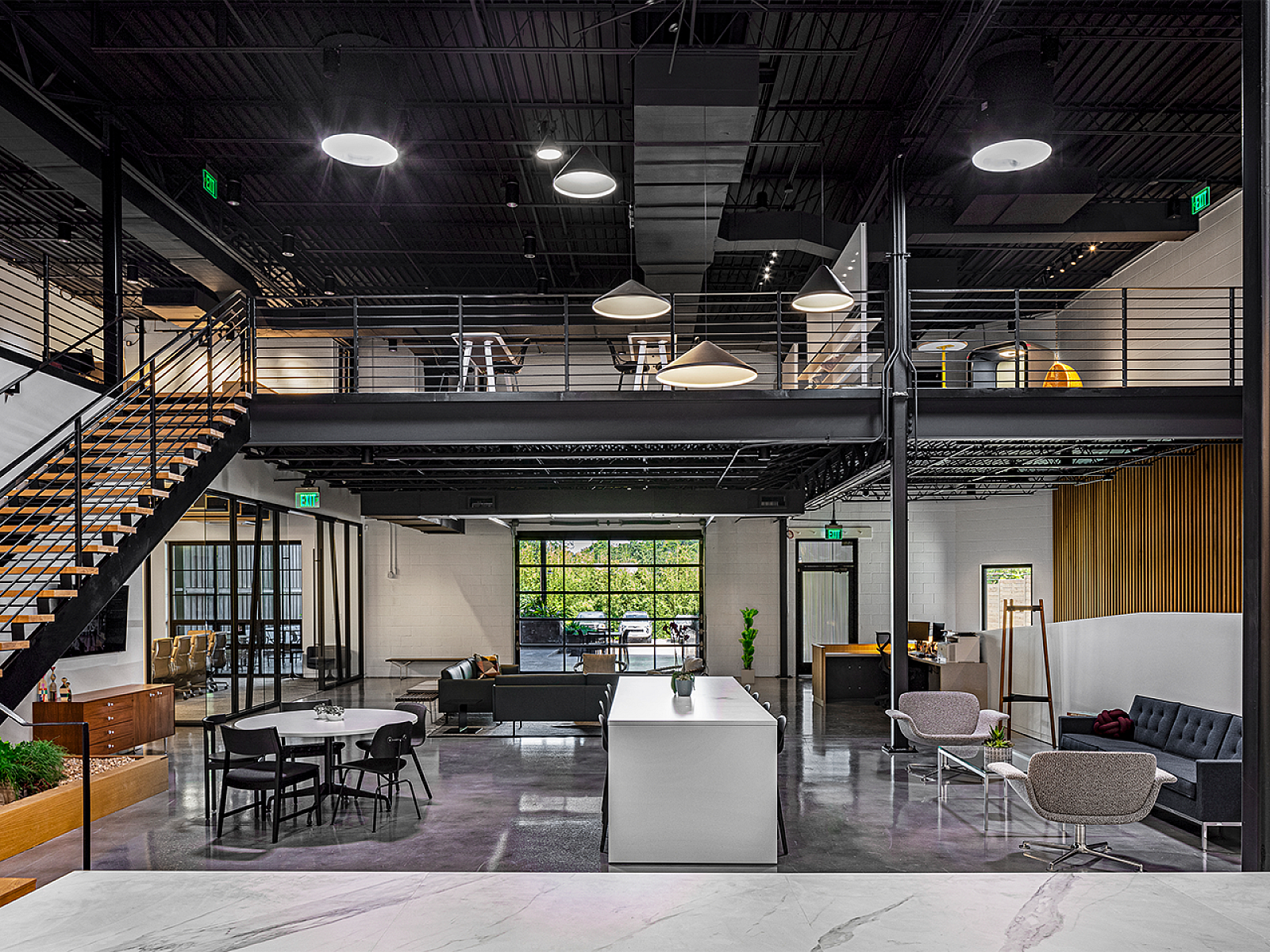
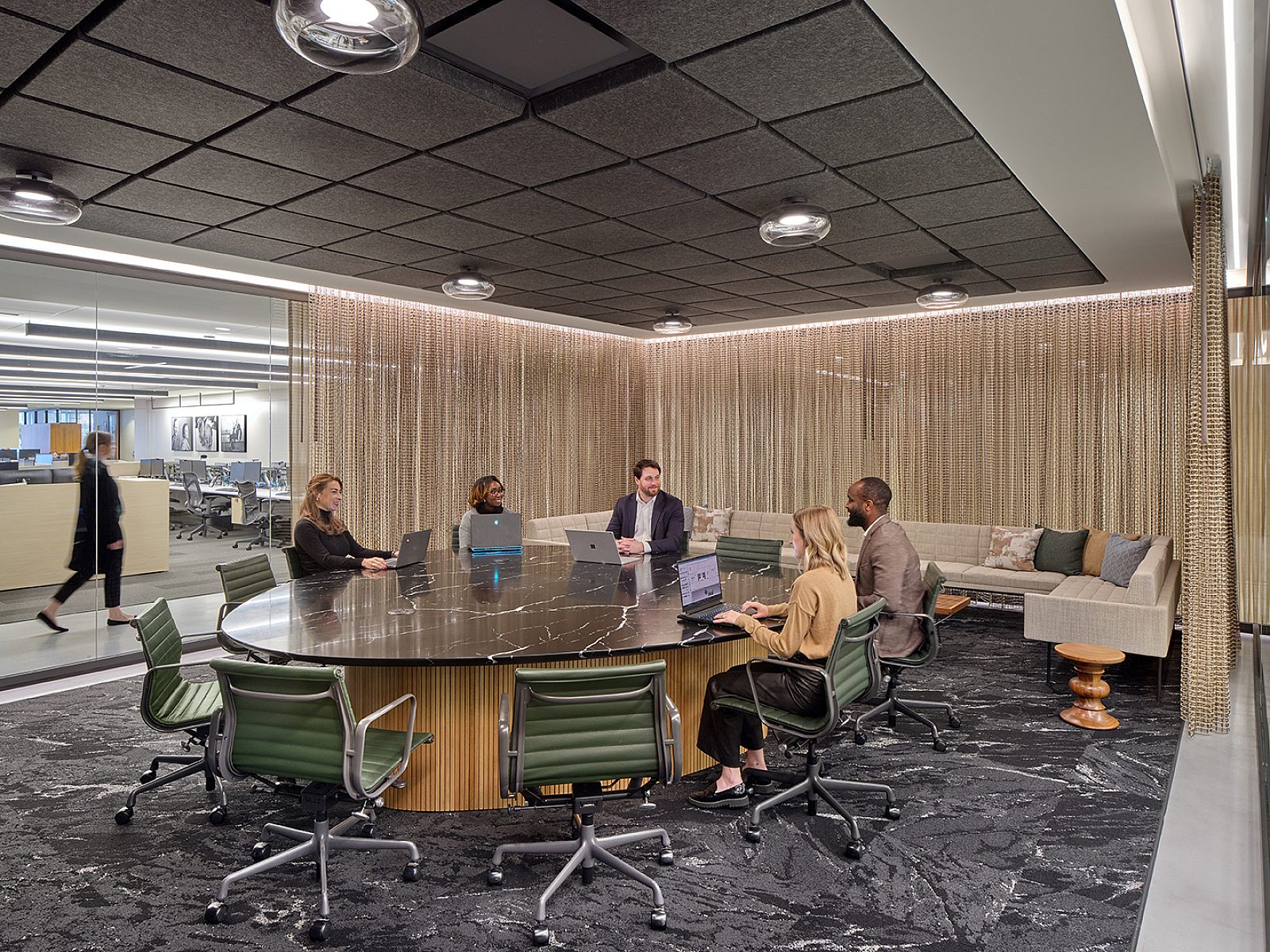
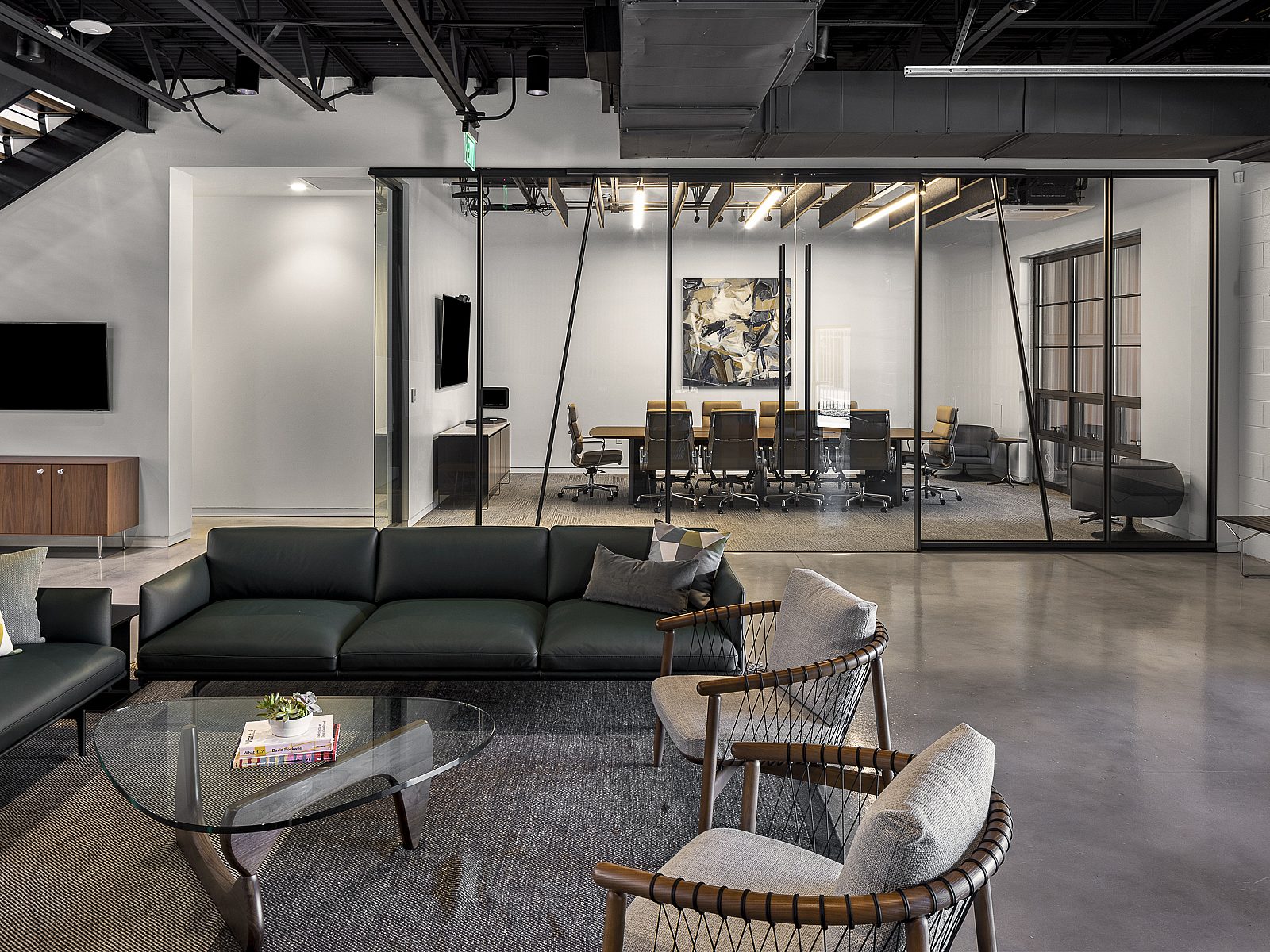

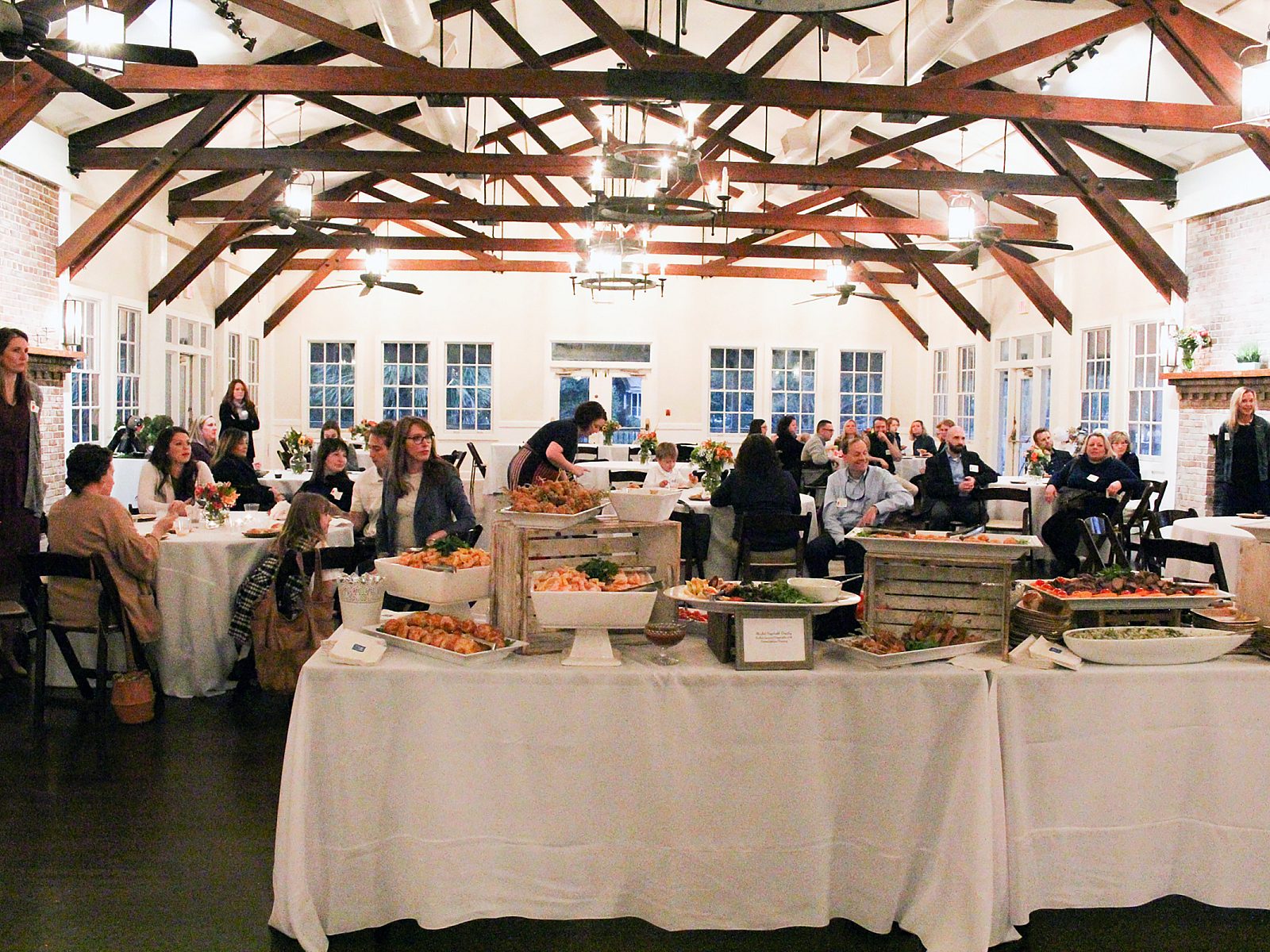






Reimagining the Office as a Destination
The role of the office is changing. No longer just a place to work, it has become a place to connect, collaborate, and create meaningful experiences. As hybrid work reshapes daily routines, the workplace must offer more than function, it must offer value.

For decades, workplace design has often revolved around a single, deceptively simple metric: square feet per person. It was measurable, easy to benchmark, and worked for an era when work happened almost entirely in the office.
Today, that metric is no longer enough. Hybrid work, evolving employee expectations, and generational shifts have changed why and how people choose to come into the office. When presence is optional, the true value of a workplace is measured by how worthwhile the time spent there becomes.
From Efficiency to Experience
The most effective workplaces today prioritize experience over efficiency. They move beyond filling seats to creating environments that energize, engage, and inspire employees. This starts with a mindset shift in programming and design strategy—one that focuses on what people need to do their best work, not just how many desks fit.
Experience-based design asks: What fuels performance? Where do employees feel connection, energy, and belonging? How can spaces support autonomy, collaboration, and innovation? By answering these questions, organizations can create workplaces that people want to be in.

The shift from traditional to experience-based design is subtle, but impactful. Where workplace planning once began with headcount and seating ratios, it now starts with business purpose and user needs. Instead of prioritizing space efficiency alone, the focus has moved toward effectiveness and enrichment, thus creating environments that support how people actually work and feel.
Rather than organizing offices strictly by department, today’s workplaces are designed around journeys and activities, supporting focus, collaboration, and connection throughout the day. This shift also brings key stakeholders like HR, IT, and leadership into the process earlier, ensuring the space aligns with broader organizational goals.
Success, too, is measured differently. Instead of focusing solely on occupancy, organizations are looking at engagement, experience, and overall impact. It's time to evaluate how well the workplace supports both people and performance.

Designing for Purpose
Modern workplaces succeed when they are intentionally built around a day well spent. This means frictionless workflows, meaningful collaboration, and spaces that support focus, momentum, and creativity.
Experience-based design begins by asking why the workplace exists. Is it to fuel innovation, mentor teams, build culture, or deepen client trust? Different goals require different spaces, tools, and ways of measuring success.
Embedding HR, IT, and operations into the design process from the start ensures the workplace reflects organizational priorities, flexibility policies, wellness initiatives, and learning programs.
Practical Steps to Reimagine Your Workplace
- Reframe the brief – Begin with business purpose and employee experience, not just headcount.
- Engage cross-functionally – Involve leadership, HR, IT, and hospitality early.
- Design for experiences – Define spaces by what they enable: focus, energy, connection, creativity.
- Design for diversity of use – Offer environments that support multiple work modes.
- Track time well spent – Measure engagement, satisfaction, and productivity.
- Create feedback loops – Use surveys, observation, and analytics to adapt spaces continuously.
- Treat spaces like a brand channel – Ensure environments reflect culture and values in action.
Measuring What Matters
Quantitative metrics like occupancy still matter, but they should be paired with qualitative insights. Ask questions like:
- Did the environment remove friction and help people do their best work?
- Did employees leave energized, connected, and proud of their contributions?
- Did the workplace support autonomy, flexibility, and meaningful work?
The best workplaces iterate intentionally, adjusting to how employees respond in real time.
Making Work Worth Showing Up For
The modern office earns attendance—it doesn’t force it. Thoughtful design transforms the workplace into a destination:
- Cafés with rotating chef series
- Immersive all-hands meeting spaces
- Pop-up team events like rolling snacks or wellness sessions
- Environments that integrate learning, collaboration, and culture
These elements animate culture while elevating the value of the office itself.
The office is no longer just a container for desks; it’s a living system, a stage for culture, and a platform for growth. When design starts with experience, purpose, and alignment, the workplace becomes a force multiplier. It draws people in because the experience is meaningful, energizing, and worth the commute.
The most magnetic offices do not simply accommodate people—they invite them in.