



Why Workplace Design Is Shifting from the Top Down to the Ground Up
For decades, office environments were designed from the top down. Leadership determined how space should function, and employees adjusted to fit the model. Today, that approach is no longer enough.
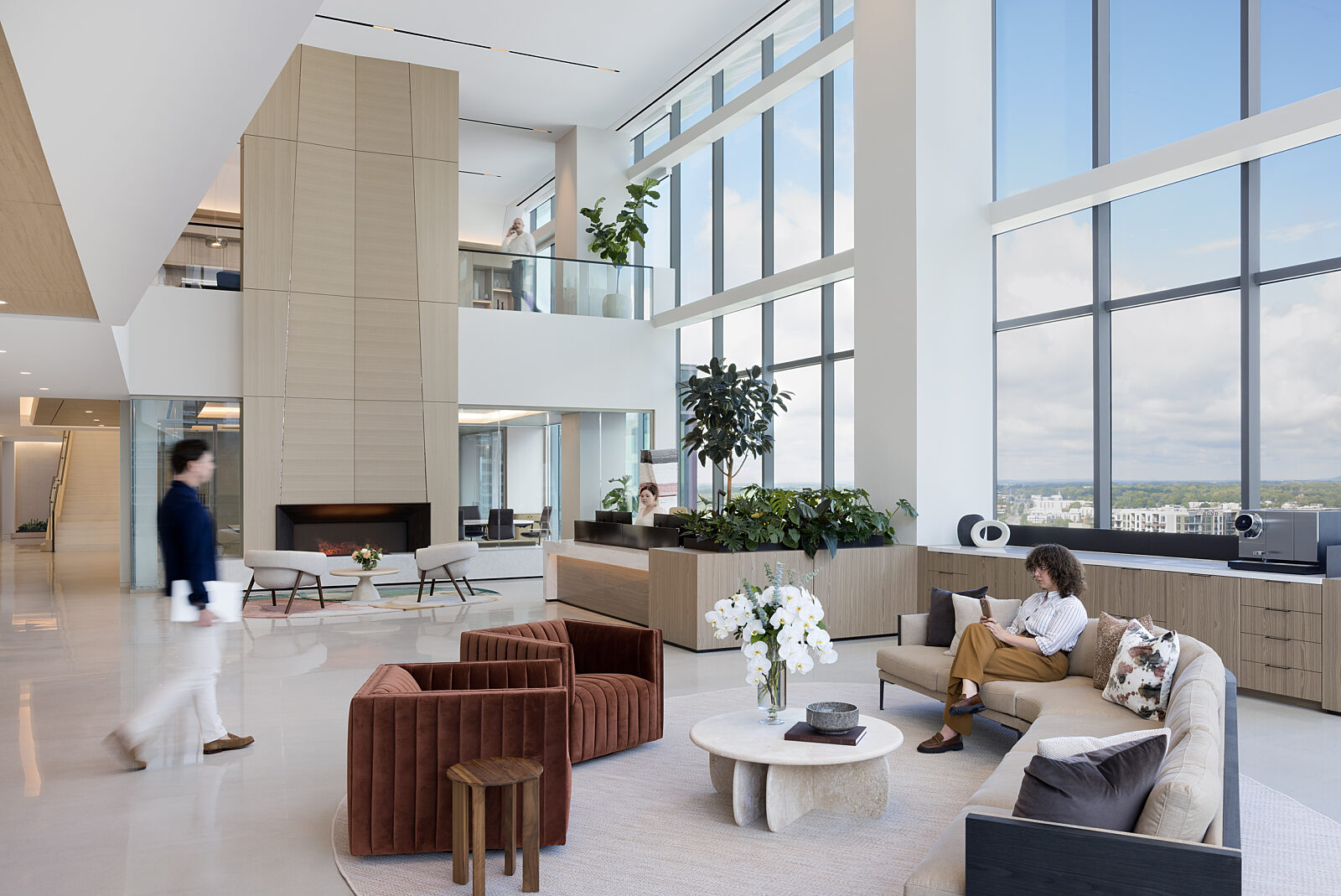
As younger generations become much of the workforce, organizations are rethinking how offices are planned, furnished, and experienced. The most successful workplaces are now designed from the ground up, shaped by how people work, what they value, and the environments that support them best.
A New Standard for Comfort and Experience
Younger professionals bring different expectations into the workplace. Comfort, wellness, and experience are no longer considered perks. They are baseline requirements. Offices that draw from residential and hospitality environments feel more natural, more flexible,
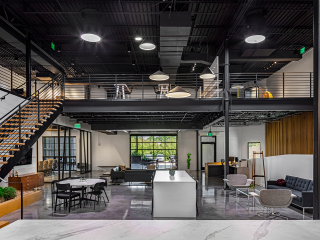
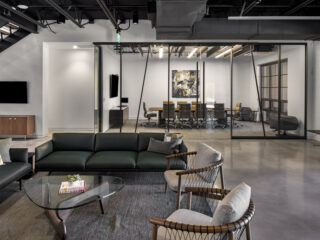
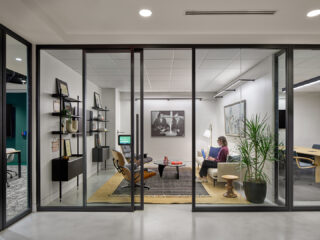
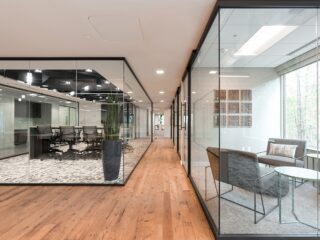
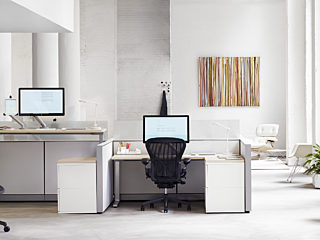
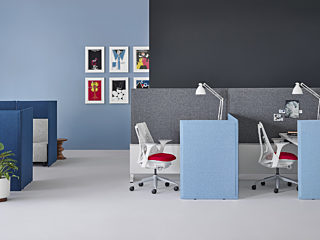
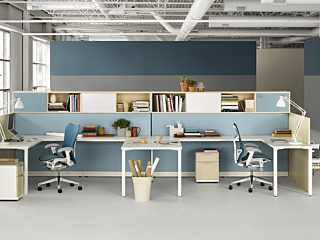
and more inviting, and they outperform traditional layouts when it comes to engagement and retention. Sterile, one size fits all offices are fading. In their place, there are environments with warmth, texture, and visual depth. Thoughtful material selection, ergonomic furniture, and intentional layouts help create spaces that feel human and aligned with a company’s brand, rather than generic or transactional.
Wellness Is No Longer Optional
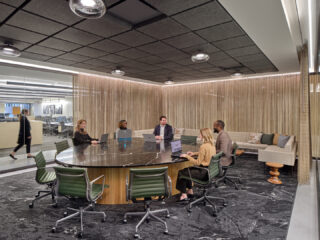
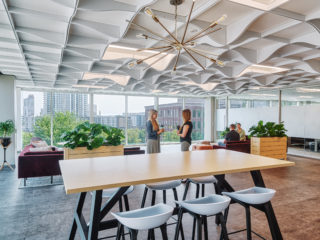
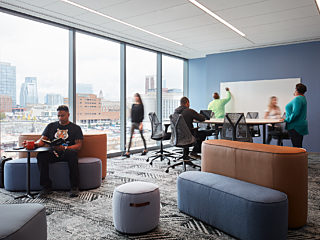
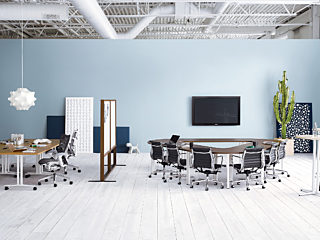
For Gen Z and younger millennials, wellness is deeply tied to performance. Factors like air quality, acoustics, access to daylight, and physical comfort directly influence how and where they choose to work. Well-designed offices support healthy routines by offering a range of work settings, from collaborative zones to quiet focus areas and restorative spaces. When circulation, furniture, and spatial planning are intentional, the workplace becomes a tool that encourages better work habits and sustained energy throughout the day.
Flexibility Requires Smarter Technology
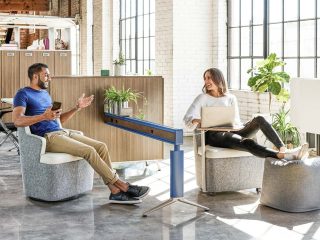
Hybrid work has permanently changed expectations around technology. Employees need to move easily between different work modes without friction. Technology must be fully integrated into the workplace. Mobile friendly meeting spaces, adaptable furniture solutions, and intuitive infrastructure allow teams to stay connected and productive wherever work happens.
Inclusion and Sustainability Matter
The next generation workforce expects inclusivity to be built into the workplace. They look for environments that provide equitable access to quality spaces, regardless of role or work style. This pushes workplace design beyond compliance and toward environments that support universal belonging. Sustainability is also a growing priority. Younger employees value transparency and responsible material choices, even when they come at a higher initial cost. They want to work for organizations that invest in long term impact, not short-term convenience.
Redefining the Role of the Office
This shift is forcing organizations to rethink what the workplace represents. The office is no longer just a place to work. It is a strategic asset that shapes culture, collaboration, and employee experience. When design decisions are rooted in the needs of the people who use the space every day, the workplace becomes more than functional. It becomes a driver of engagement, performance, and long-term success.