






Designing for Impact: Sustainability in the Modern Workplace
Sustainability in the workplace is no longer a standalone initiative, it is a fundamental part of how spaces are designed, experienced, and evolve over time.

Sustainability and well-being are often discussed separately, but in practice, they are deeply connected. The most effective workplaces today recognize that supporting people and supporting the planet are not competing priorities—they are part of the same design strategy.
At Alfred Williams & Company, we approach sustainability as a holistic framework—one that informs how spaces are designed, built, and experienced over time. When sustainability and well-being are considered together, the result is a workplace that performs better for organizations and the individuals within them.
Beyond Flexibility
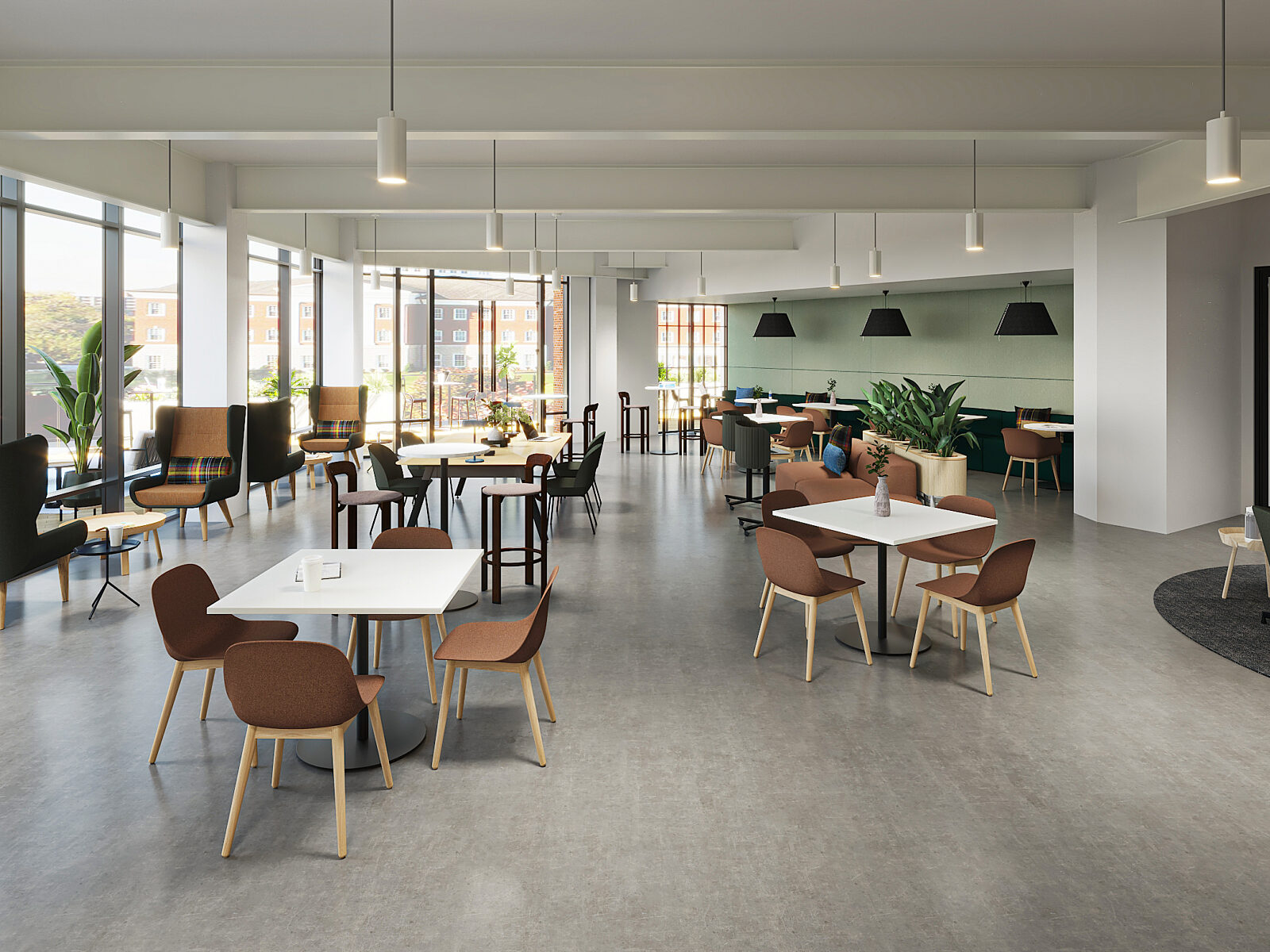
Flexibility has become a defining characteristic of the modern workplace, but its meaning has evolved. It is no longer just about open floor plans or movable furniture. True flexibility is about choice—giving individuals the ability to work in ways that support their comfort, focus, and overall well-being.
Today’s workplace exists within a broader ecosystem that extends beyond the office itself. Employees move between home, shared spaces, and the workplace throughout the week. In this context, the office must offer something distinct—an environment that supports both productivity and experience in ways other settings cannot.
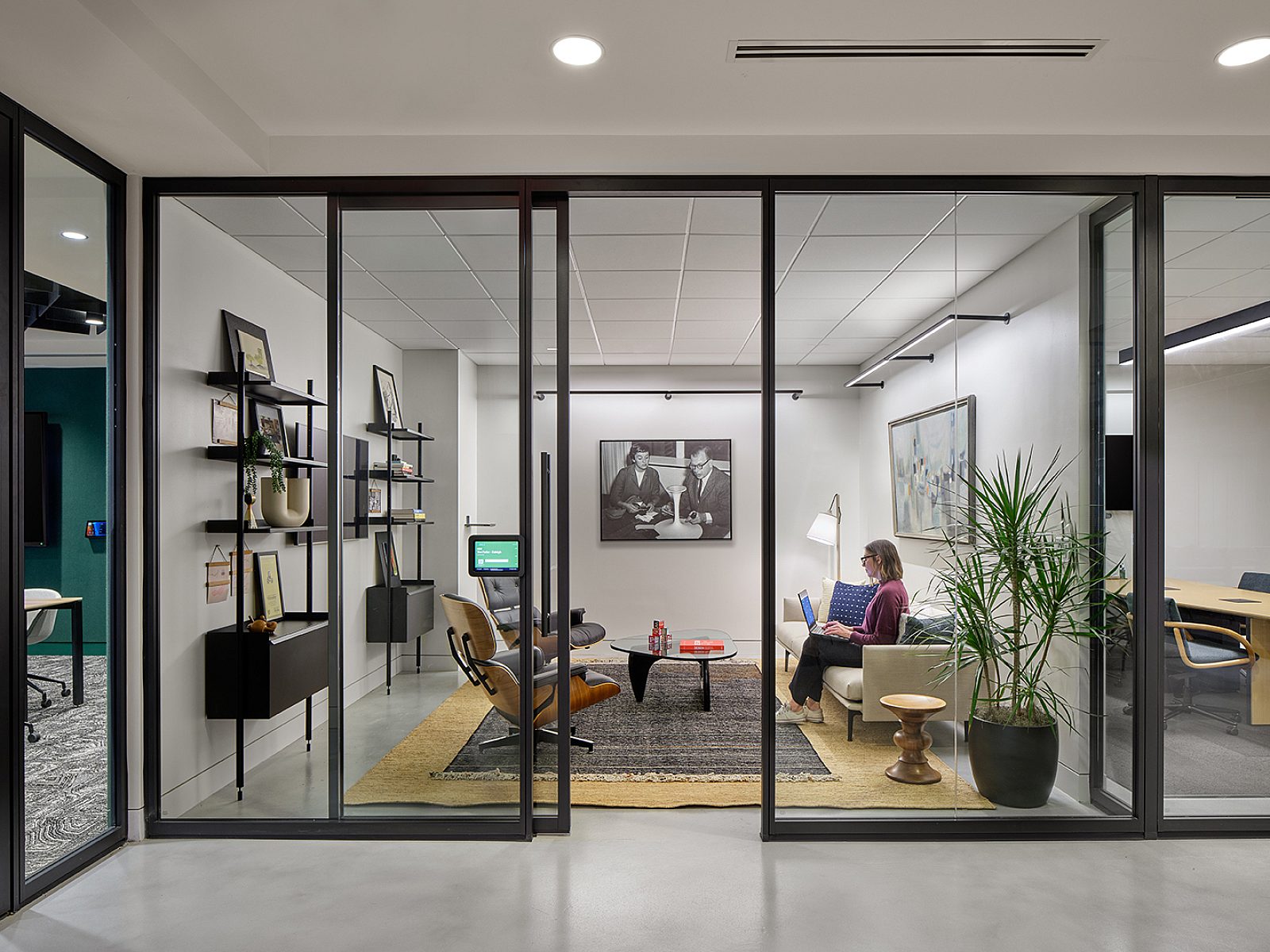
Designing for flexibility means creating a range of environments that support different modes of work, while also considering long-term adaptability. Spaces that can evolve alongside changing needs reduce the frequency of renovations, minimize material waste, and contribute to a more sustainable lifecycle.

Designing with Nature in Mind
As work becomes increasingly digital, the physical environment plays a more important role than ever. Integrating natural elements into the workplace—through daylight, materials, and access to outdoor space—supports both environmental goals and human well-being.
Outdoor environments, in particular, offer new opportunities for how work can happen. Thoughtfully designed exterior spaces allow employees to step outside not just for a break, but as an extension of the workplace itself. Access to fresh air, natural light, and shifting environmental conditions has been shown to improve focus, reduce stress, and enhance overall cognitive performance.
These moments of connection—to light, air, and landscape—create a more engaging and restorative workplace experience while reinforcing a broader commitment to sustainability.

A More Responsible Approach to Materials and Construction
Sustainability is also shaped by the choices made behind the scenes—how products are sourced, how spaces are built, and how they evolve over time.
As a certified MillerKnoll dealer, Alfred Williams & Company partners with manufacturers who are advancing sustainability through initiatives focused on reducing carbon impact, prioritizing safer materials, and designing for long-term product life cycles. These efforts support a more responsible approach to workplace design without compromising performance or aesthetics.
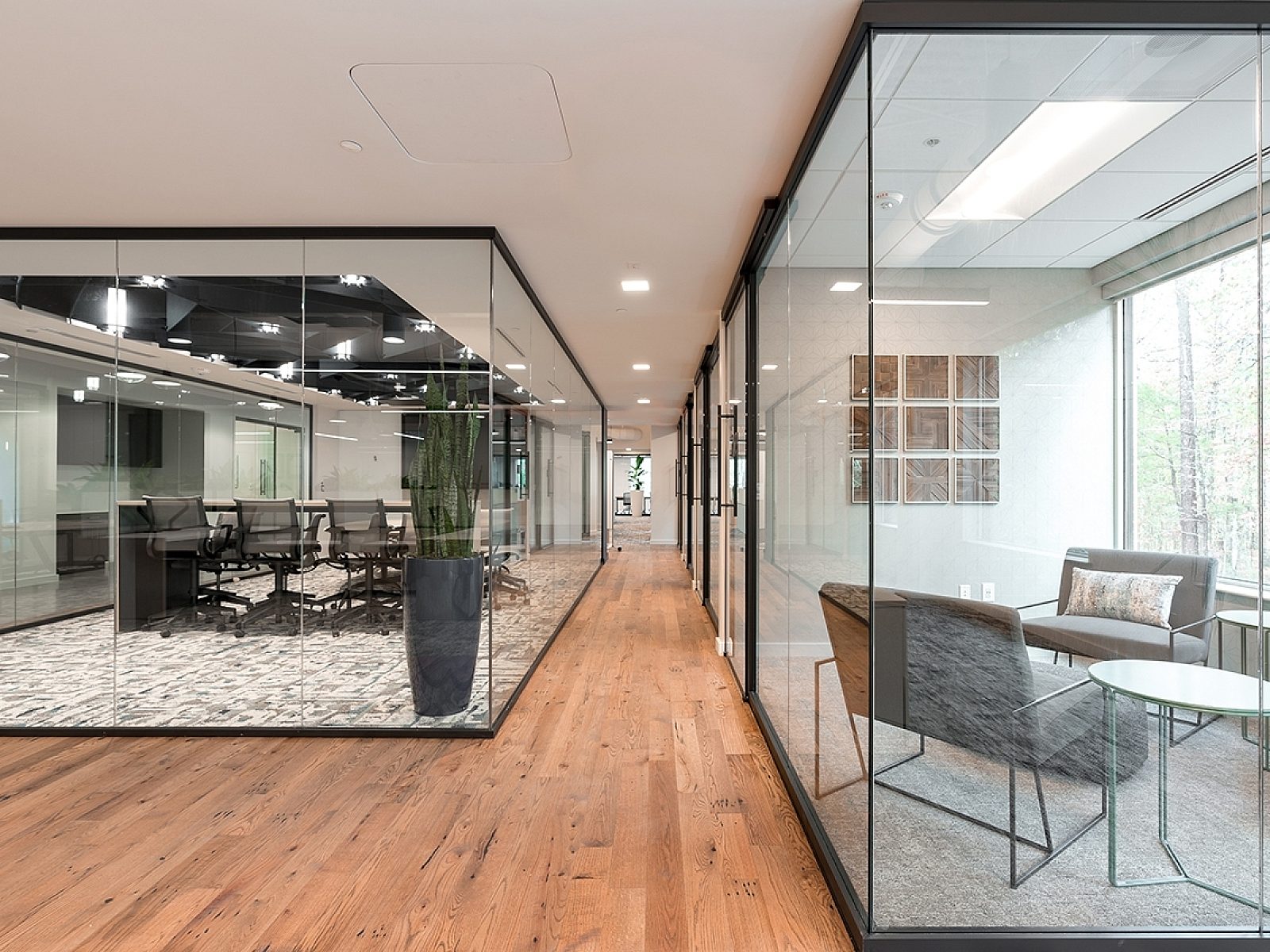
Prefabricated construction solutions, such as those offered through DIRTT, further support this approach. By reducing on-site waste, improving construction efficiency, and allowing for future reconfiguration, these systems create workplaces that can adapt over time without requiring full demolition and rebuild—minimizing both environmental impact and operational disruption.
Sustainability as Culture, Not Just Strategy
Sustainability in the workplace is no longer defined by certifications or checklists alone. It is increasingly understood as a reflection of an organization’s values—and employees are paying attention.
Today’s workforce expects transparency and authenticity. Sustainable practices are not viewed as added benefits, but as baseline expectations. From the materials used to the way spaces are maintained and adapted over time, every decision contributes to how a company’s values are experienced day to day.
This shift also reframes return on investment. While amenities can enhance the workplace, long-term value is created by supporting the people within it. Environments that prioritize well-being, inclusivity, and responsible design contribute to stronger engagement, retention, and overall organizational performance.
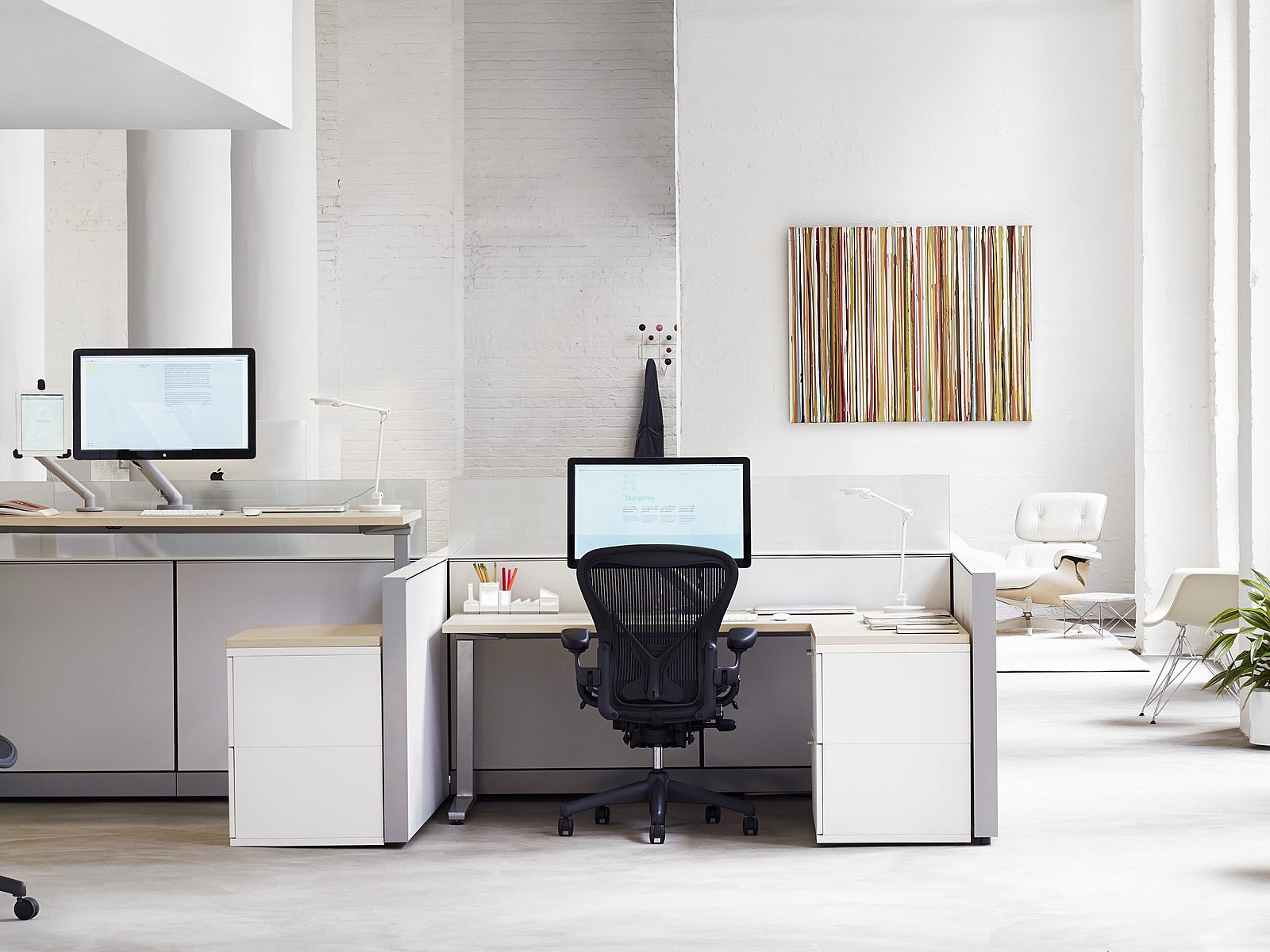
Strategies such as reusing existing furniture, retrofitting workstations, and selecting products designed for longevity reduce waste while reinforcing a more thoughtful approach to design. These decisions not only support environmental goals, but also communicate a deeper level of care and accountability.
Increasingly, the workplace itself becomes a storytelling tool—one that reflects a company’s commitment to both its people and the planet. When sustainability is embedded into the design process, it moves beyond intention and becomes part of the everyday experience.

Designing for What’s Next
The future of workplace design is not about static solutions—it is about creating environments that can evolve.
By aligning sustainability with well-being, organizations can create spaces that are not only more efficient, but more meaningful. Environments that support autonomy, connect people to their surroundings, and adapt over time lead to stronger performance, deeper engagement, and a more resilient workplace.
Sustainability is no longer a standalone goal. It is a fundamental part of designing workplaces that are built to last—and built to support the people who use them every day.
