



Renovate, Relocate, or Reconfigure?
The workplace is a strategic asset that influences culture, collaboration, recruitment, and growth. When a space no longer supports business objectives, how do you determine the right path forward?
At some point, every growing organization faces the same question:
Is our workplace still working for us?
Maybe the company has added employees. Maybe hybrid work has changed how teams use the office. Perhaps the workplace simply no longer reflects the organization's culture, brand, or future goals. When challenges begin to surface, leaders often assume they have two options: stay put or move. In reality, there is a third option that is frequently overlooked—and often more cost-effective. Before making a major investment, organizations should evaluate whether renovation, relocation, or reconfiguration is the best path forward.

Start with the Problem, Not the Solution
One of the most common mistakes organizations make is jumping directly to a solution.
A company may assume it needs more square footage when the real issue is inefficient space utilization. Another may begin searching for a new office when targeted updates to the existing workplace could accomplish the same goals at a fraction of the cost.
Before evaluating options, leadership teams should first identify what is driving the discussion.
Common workplace challenges include:
- Lack of space for growth
- Poor collaboration between teams
- Underutilized offices or workstations
- Employee dissatisfaction with the workplace
- Outdated furnishings and finishes
- Technology limitations
- Increased demand for meeting spaces
- Difficulty recruiting and retaining talent
- Lease expiration or changing real estate needs
Understanding the root cause of the challenge helps ensure the solution aligns with long-term business objectives.
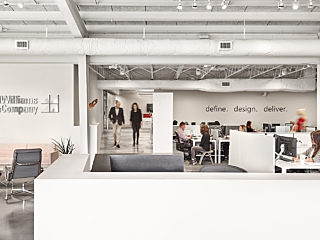
At Alfred Williams & Company, we often find that organizations initially come to us looking for more space, new furniture, or a complete office transformation, only to discover that the real challenge lies in how their existing workplace is functioning. By taking a strategic approach to workplace planning, organizations can make smarter investments that support both their people and their business goals.

When Renovation Makes Sense
For many organizations, renovation offers an opportunity to improve workplace functionality while maintaining an existing location.
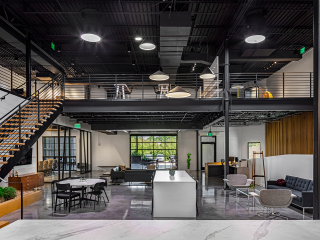
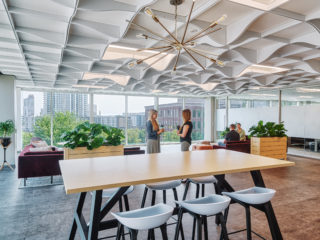
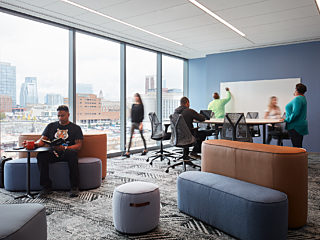
Renovations can range from cosmetic updates to more comprehensive workplace transformations. They may include upgraded finishes, new furniture, technology enhancements, collaborative spaces, wellness areas, or redesigned meeting environments.
Renovation is often worth considering when:
- The location continues to meet business needs
- The lease term remains favorable
- The building supports future growth
- Existing infrastructure is adequate
- Employees value the current location
A thoughtful renovation can improve employee experience, strengthen company culture, and extend the life of an existing workplace investment.
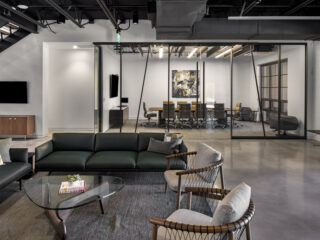
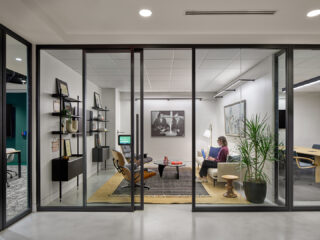
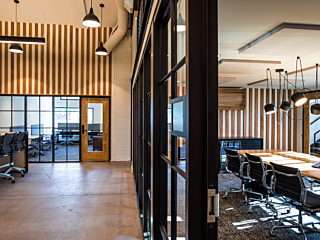
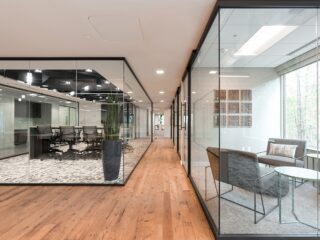
Today's renovation projects can also be more flexible and less disruptive than many organizations realize. Innovative prefabricated construction solutions, such as DIRTT, allow businesses to create private offices, conference rooms, focus spaces, and architectural features without many of the challenges associated with traditional construction. Because these systems are designed with adaptability in mind, they can often evolve alongside an organization's changing needs.
In many cases, organizations discover they can achieve meaningful improvements without the disruption and expense associated with relocating.
When Relocation Is the Better Option
Sometimes, a workplace has simply outgrown its limitations.
A new location may provide opportunities that cannot be achieved within the current space, whether through increased capacity, improved accessibility, enhanced amenities, or stronger alignment with long-term business goals.
Relocation may be the right choice when:
- The organization has exceeded available capacity
- Significant operational challenges exist within the current facility
- Talent attraction is being impacted by location
- Lease terms are no longer advantageous
- Building infrastructure no longer supports business needs
- Leadership wants to reposition the company within the market
While relocation can be a significant undertaking, it also provides an opportunity to create a workplace intentionally designed around future growth rather than past needs.
The most successful relocations begin with a clear understanding of how employees work today—and how the organization expects to evolve in the years ahead.

The Often-Overlooked Solution: Reconfiguration
Many workplace challenges can be addressed without relocating or undertaking a major renovation.
Reconfiguration focuses on optimizing existing space through strategic planning, furniture adjustments, and improved utilization.
Organizations are frequently surprised to discover how much potential already exists within their current footprint.
For example:
- Private offices may be converted into shared collaboration spaces
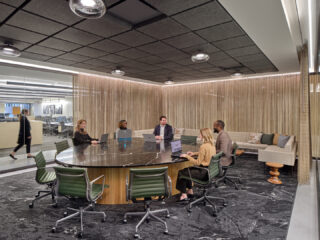
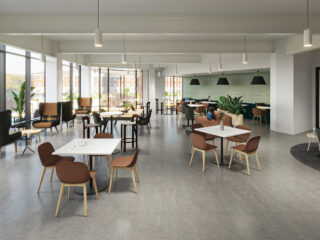
- Underutilized conference rooms may be redesigned for multiple functions
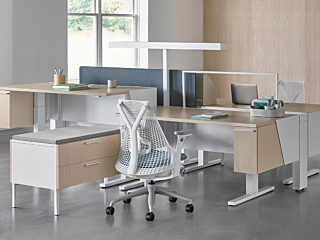
- Existing furniture systems may be reconfigured to support new workstyles
- Departments may be reorganized to improve workflow and communication
As hybrid work continues to reshape workplace utilization, reconfiguration has become an increasingly valuable strategy for organizations seeking flexibility without significant capital investment.
In many cases, strategic reconfiguration can improve employee experience, increase usable space, and support organizational growth without requiring additional square footage.
Evaluating the Financial Impact
Every workplace decision carries financial implications beyond the initial project cost.
Leaders should consider:
- Real estate expenses
- Construction costs
- Furniture investments
- Technology requirements
- Employee disruption
- Operational downtime
- Long-term maintenance costs
- Future scalability
The lowest-cost option upfront is not always the most cost-effective solution over time.
Organizations that take a holistic view of workplace strategy are often better positioned to make investments that support both immediate needs and long-term growth.
Creating a Workplace That Supports the Future
Whether the solution is renovation, relocation, or reconfiguration, the goal remains the same: creating an environment that supports people, business objectives, and future growth.
The workplace is no longer simply where work happens. It is a strategic asset that influences collaboration, culture, recruitment, retention, and organizational performance.
At Alfred Williams & Company, we believe the best workplace decisions begin long before furniture is selected or construction begins. By understanding how employees work, how organizations are evolving, and what challenges businesses are trying to solve, companies can create environments that deliver lasting value.
From workplace strategy and furnishings to prefabricated construction solutions like DIRTT, organizations have more options than ever before to create spaces that are flexible, adaptable, and built for the future.
The most effective workplace decisions are not driven solely by square footage or budgets. They are driven by a clear understanding of how space can help organizations achieve their goals.
Before deciding what to change, organizations should first ask a more important question:
What kind of workplace do we need for the future we are building?
