








Rethinking the Campus Experience
Today’s campus is more than a collection of classrooms. From collaborative learning environments and student gathering spaces to faculty offices and flexible touchdown areas, thoughtful design can create a more connected, inclusive, and engaging experience for everyone who calls campus home.

As a new academic year approaches, colleges and universities have an opportunity to think beyond the traditional classroom and consider what students and faculty need from the campus as a whole. Learning happens in many different ways and in many different places, and the most successful higher education environments are designed to support that full experience.
Beyond the Classroom
The classroom remains an essential part of higher education, but it is only one setting where learning happens.
Students study independently, work on group projects, meet with professors, collaborate with classmates, participate in organizations, connect socially, and spend time between classes. Each of these activities requires something different from the physical environment.
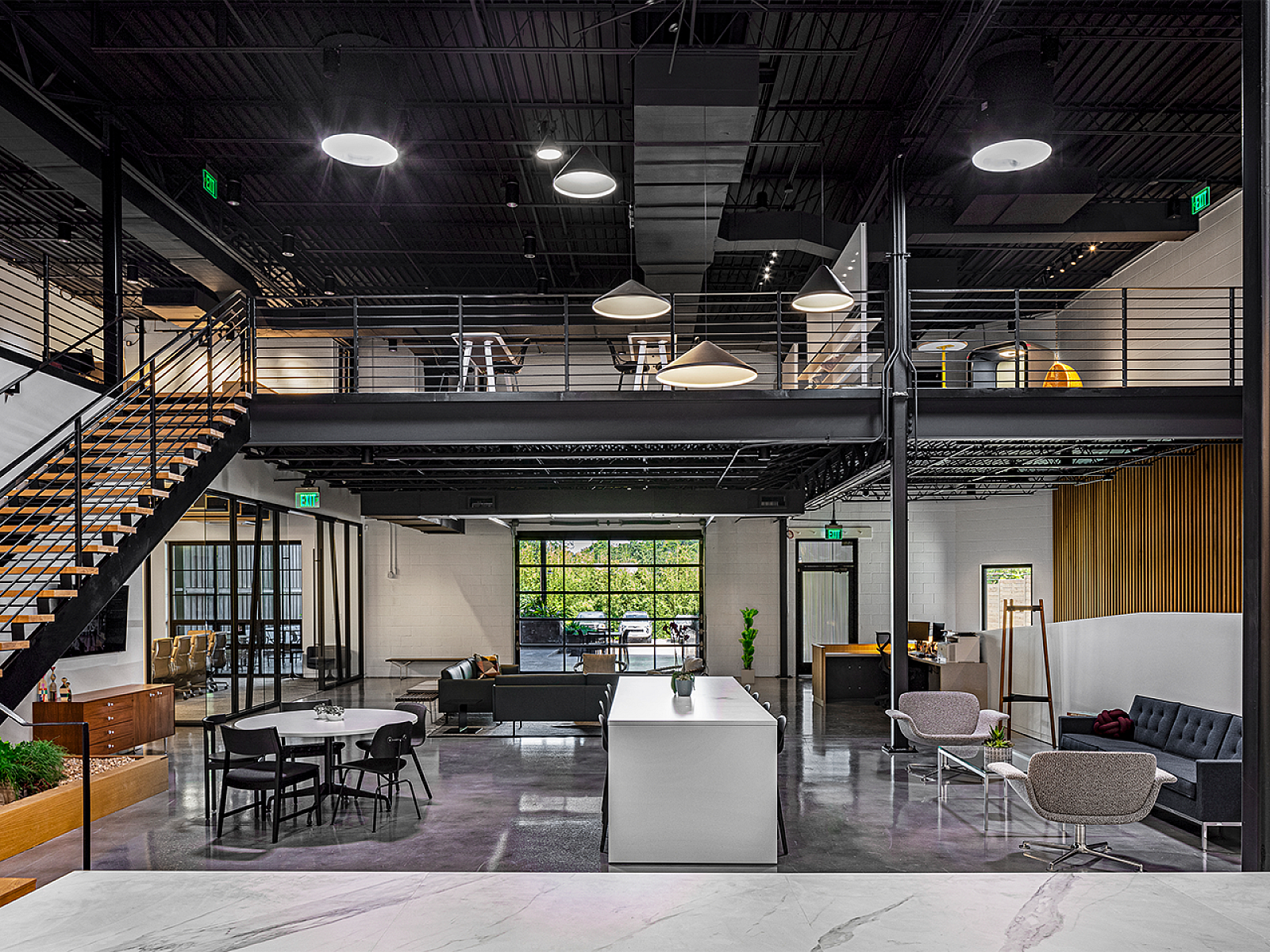
A successful campus offers a range of settings that support different modes of learning and interaction. Quiet areas can provide a place to concentrate between classes, while comfortable lounges and collaborative spaces encourage conversation and shared ideas. Technology rich environments can support new forms of learning, while informal gathering spaces create opportunities for students to connect outside of structured academic settings.
The goal is not simply to provide more space. It is to provide the right kinds of spaces, giving students the choice to find an environment that supports what they need to accomplish.

Designing for Connection and Community
Some of the most meaningful moments on a campus may happen outside of scheduled class time.
A conversation between classmates. An impromptu study session. A student organization meeting. A few minutes spent talking with a professor after class. These everyday interactions help shape a student's sense of belonging and connection to their institution.
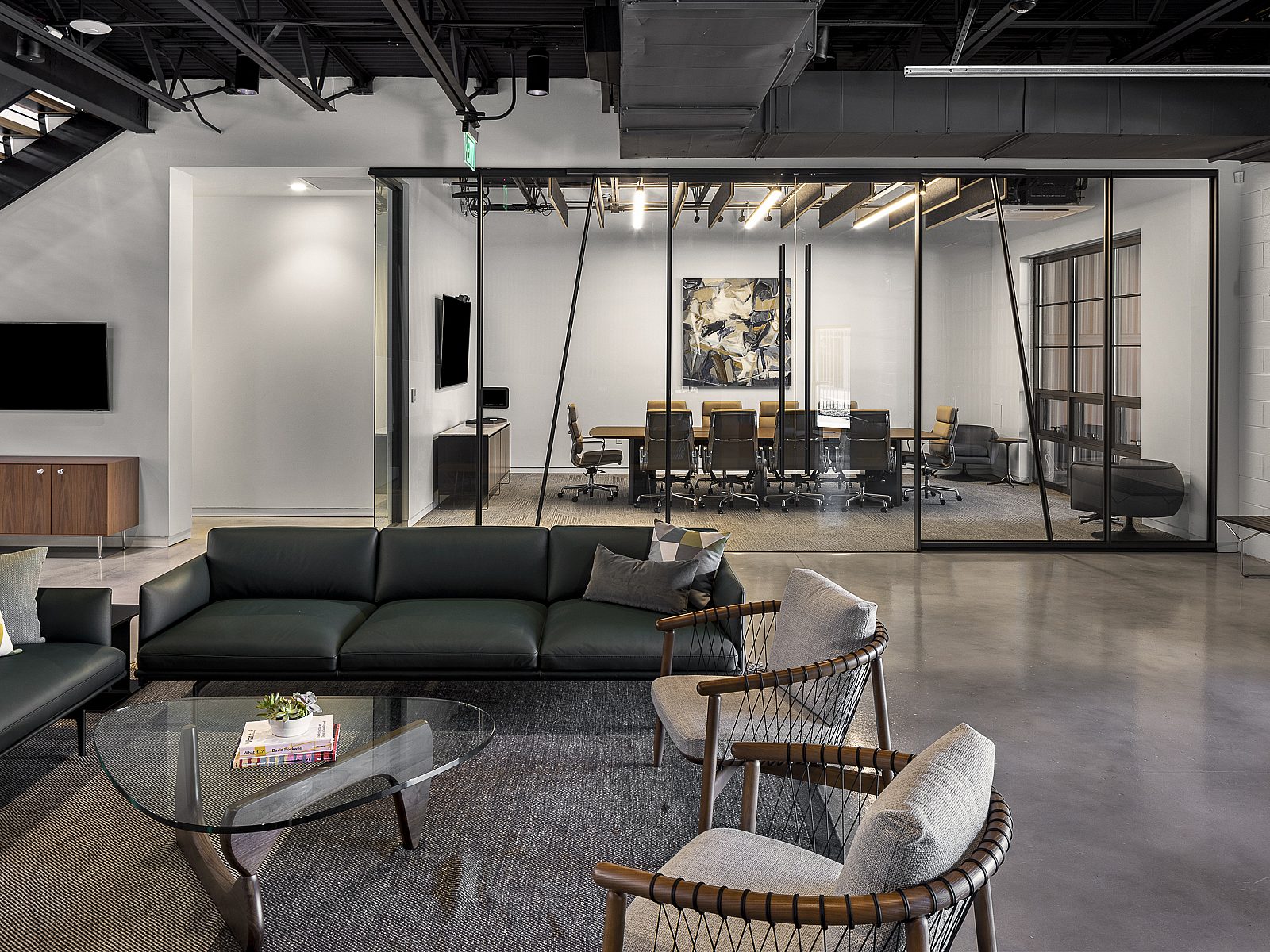
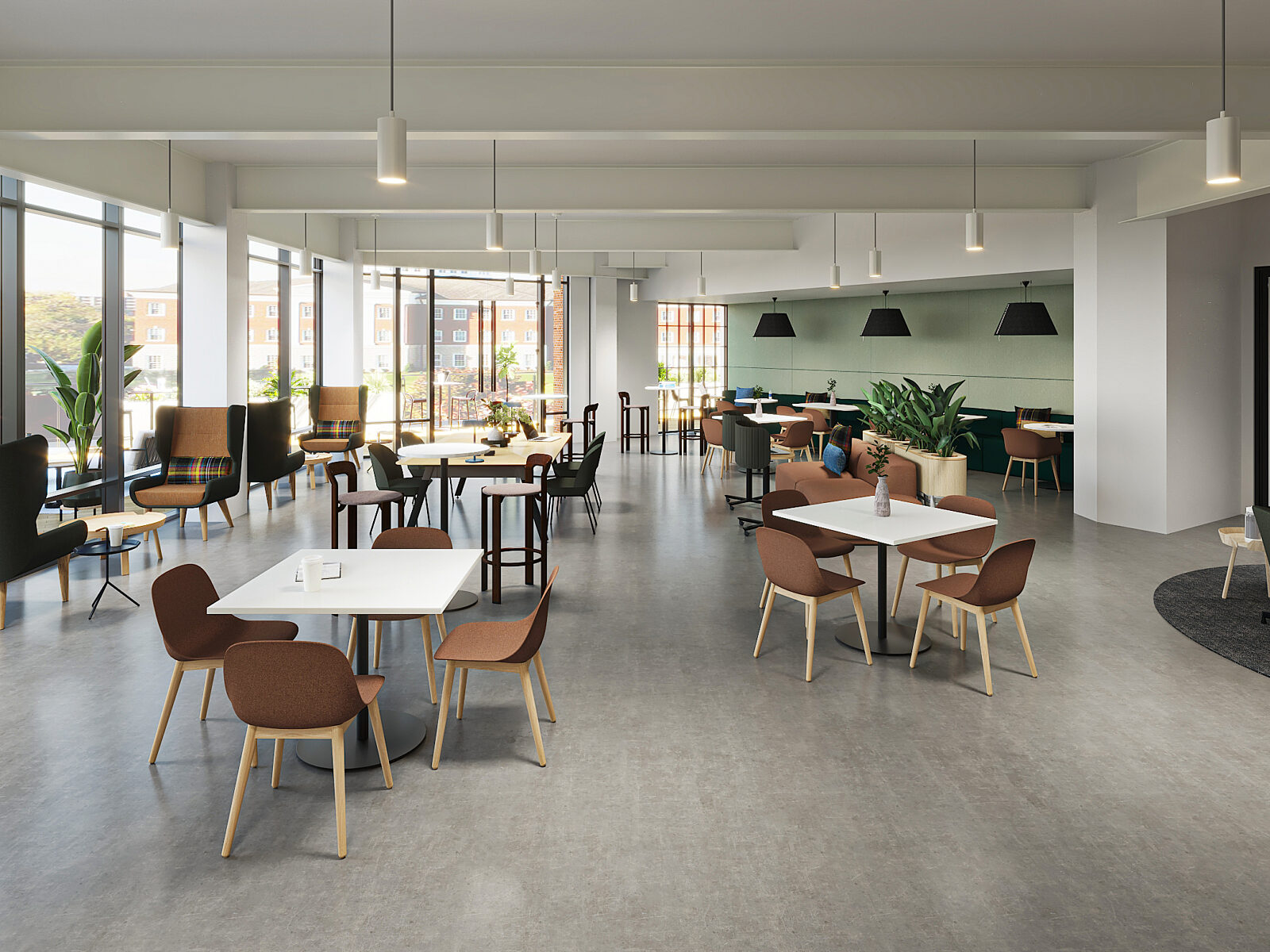
Design can encourage these moments by creating spaces where people naturally want to gather. Comfortable seating, cafés, lounges, collaborative areas, and shared amenities can transform circulation and waiting areas into opportunities for connection rather than simply spaces people pass through.
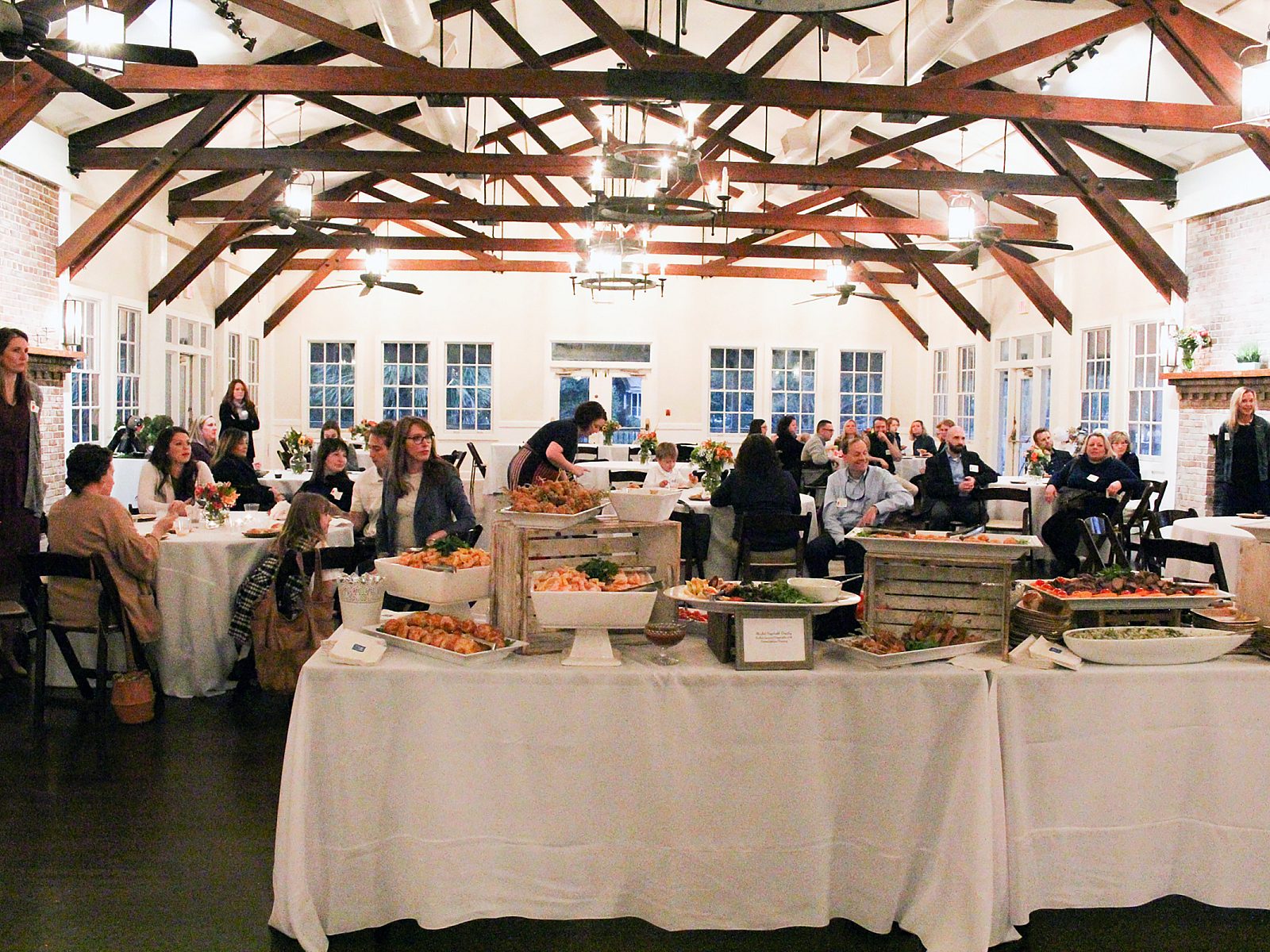
This is particularly important as colleges and universities continue to consider the overall campus experience as part of the value they offer students. A campus should feel like a place where students want to spend time, not simply somewhere they go to attend class.
Technology as a Learning Environment
As technology continues to influence how students learn, higher education spaces must be prepared to support more than traditional instruction.
UNC Charlotte's Esports computer gaming lab is one example of how specialized environments can expand the definition of learning and engagement on campus. Technology driven spaces can support competition, community, digital skills, and new forms of collaboration, while also creating opportunities for students to connect around shared interests.
These environments demonstrate an important principle for higher education design: the campus should reflect the world students are preparing to enter. As technology changes the way industries operate, educational environments should have the flexibility to respond with them.

Designing for Faculty, Too
A student focused campus should not overlook the people who make the educational experience possible.
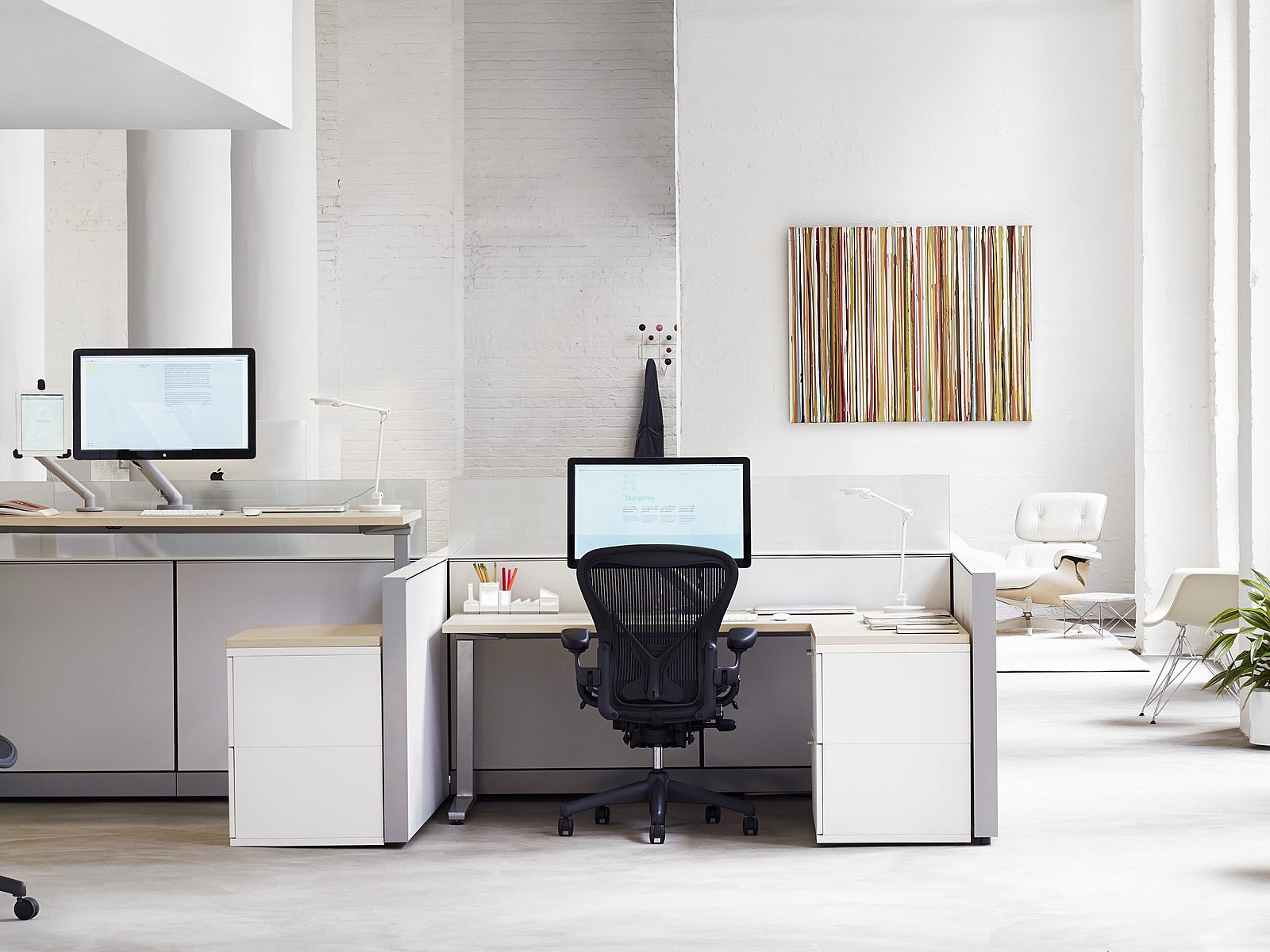
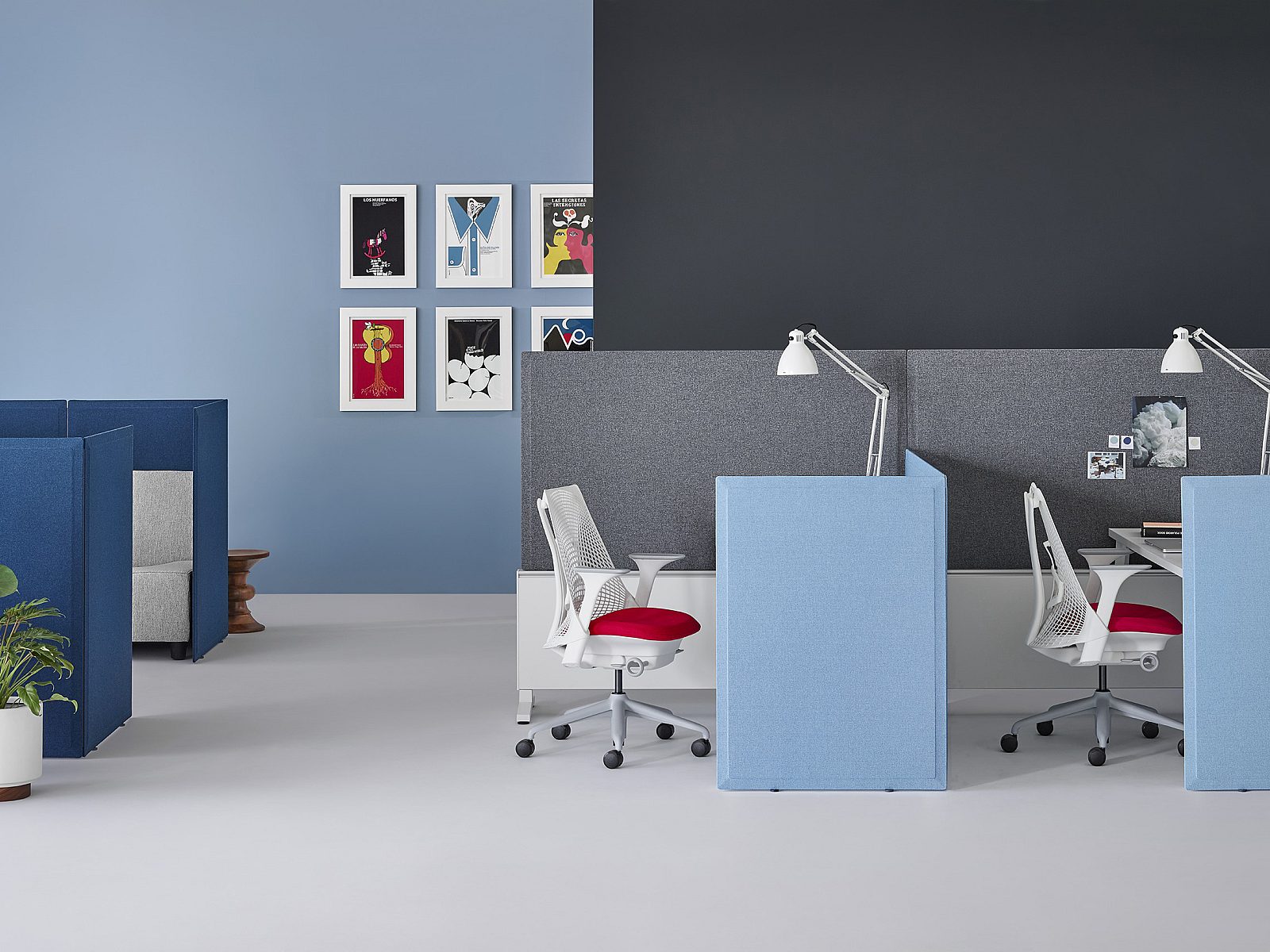
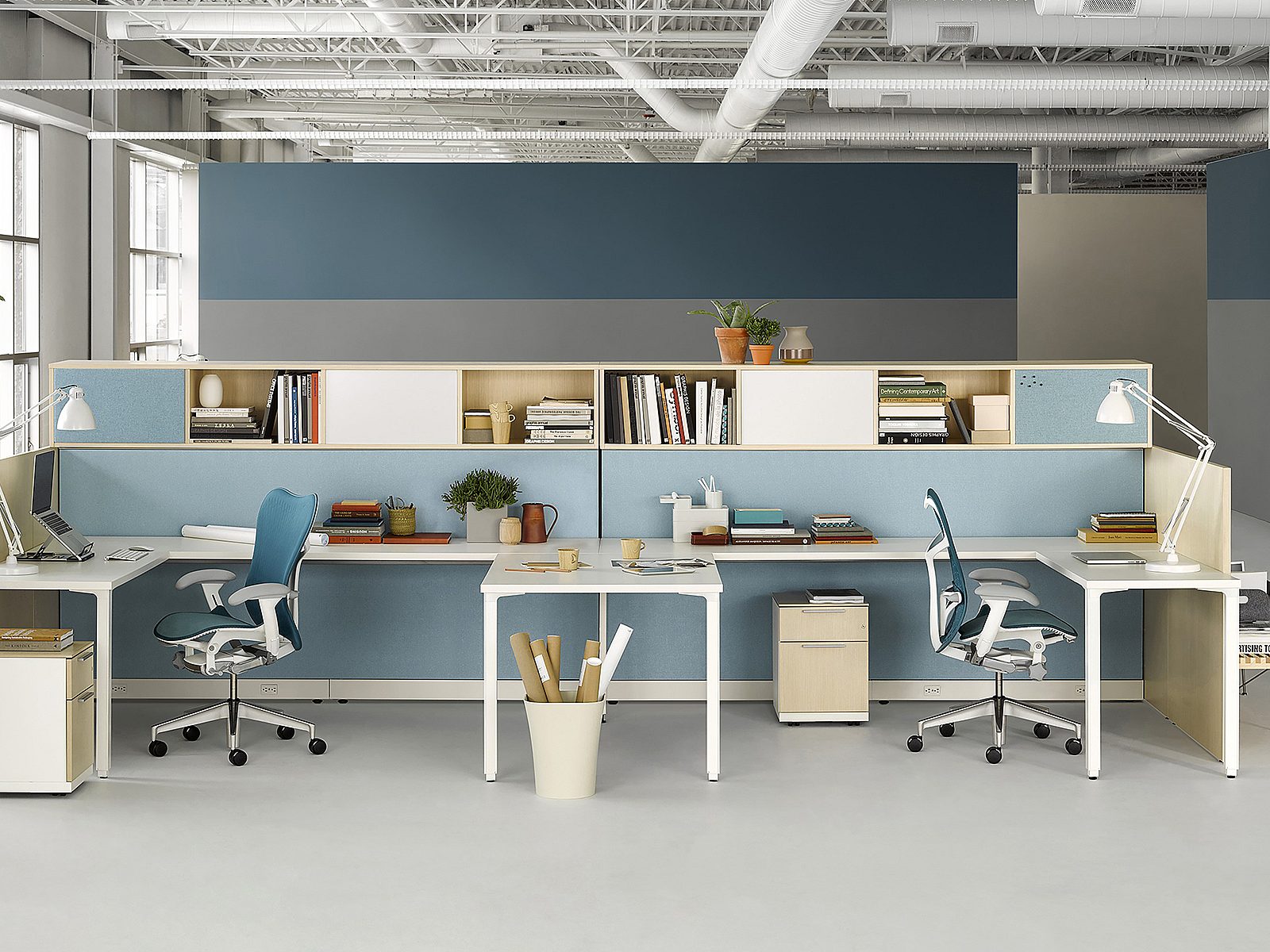
Faculty need environments that support teaching, research, advising, collaboration, and focused work. Private offices remain valuable for concentration and confidential conversations, but today's academic workplace can also benefit from a broader range of settings.
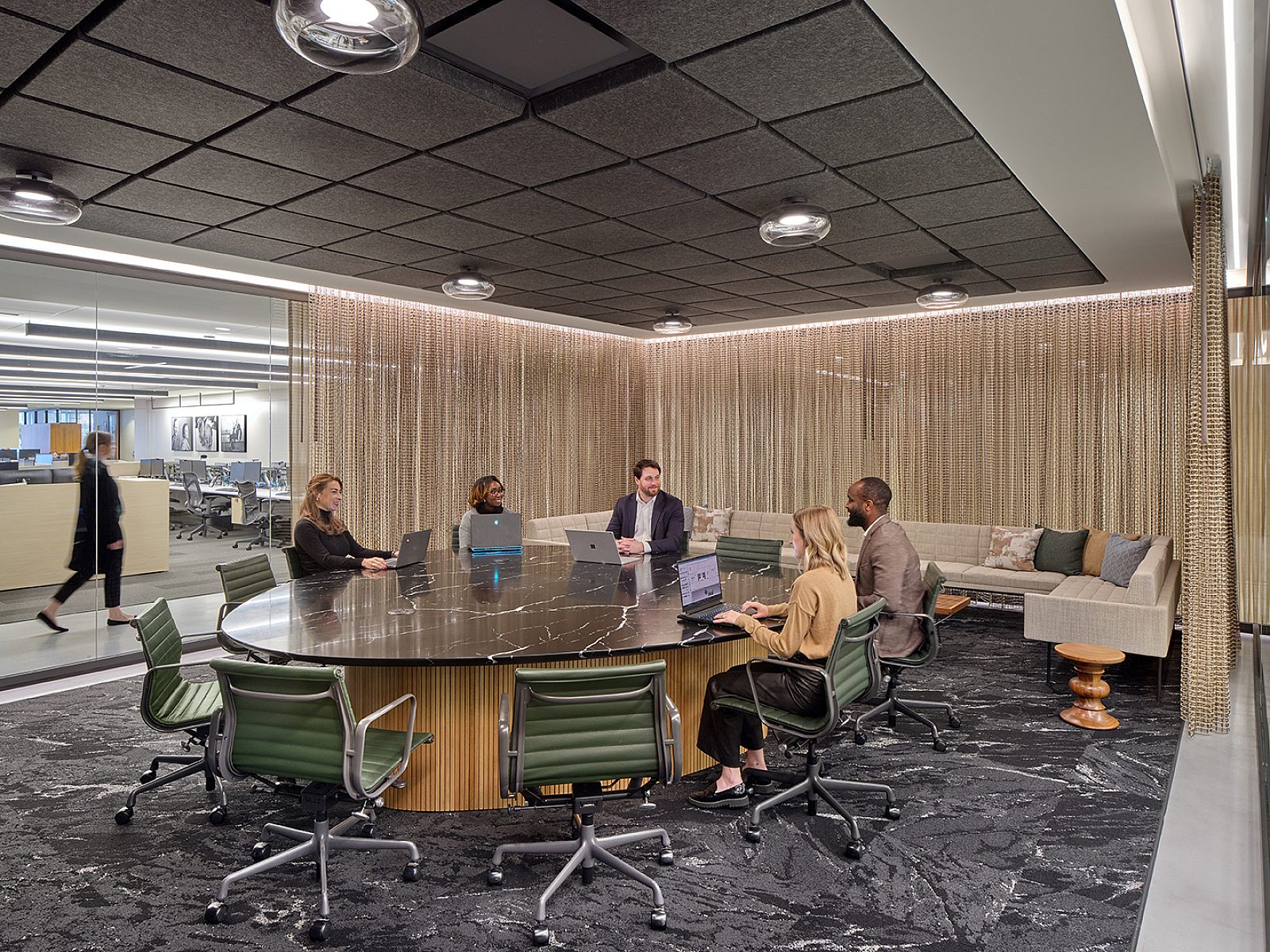
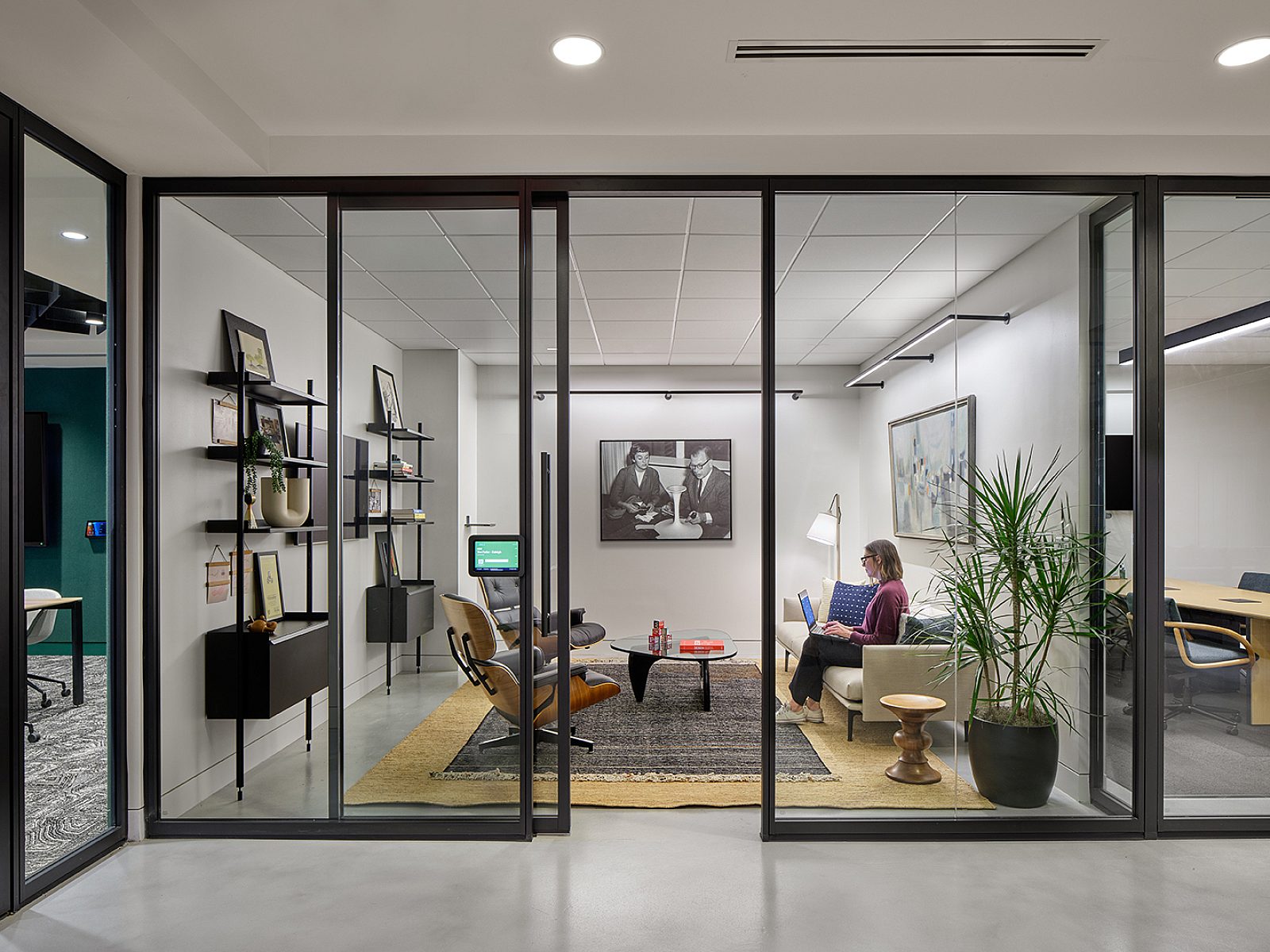
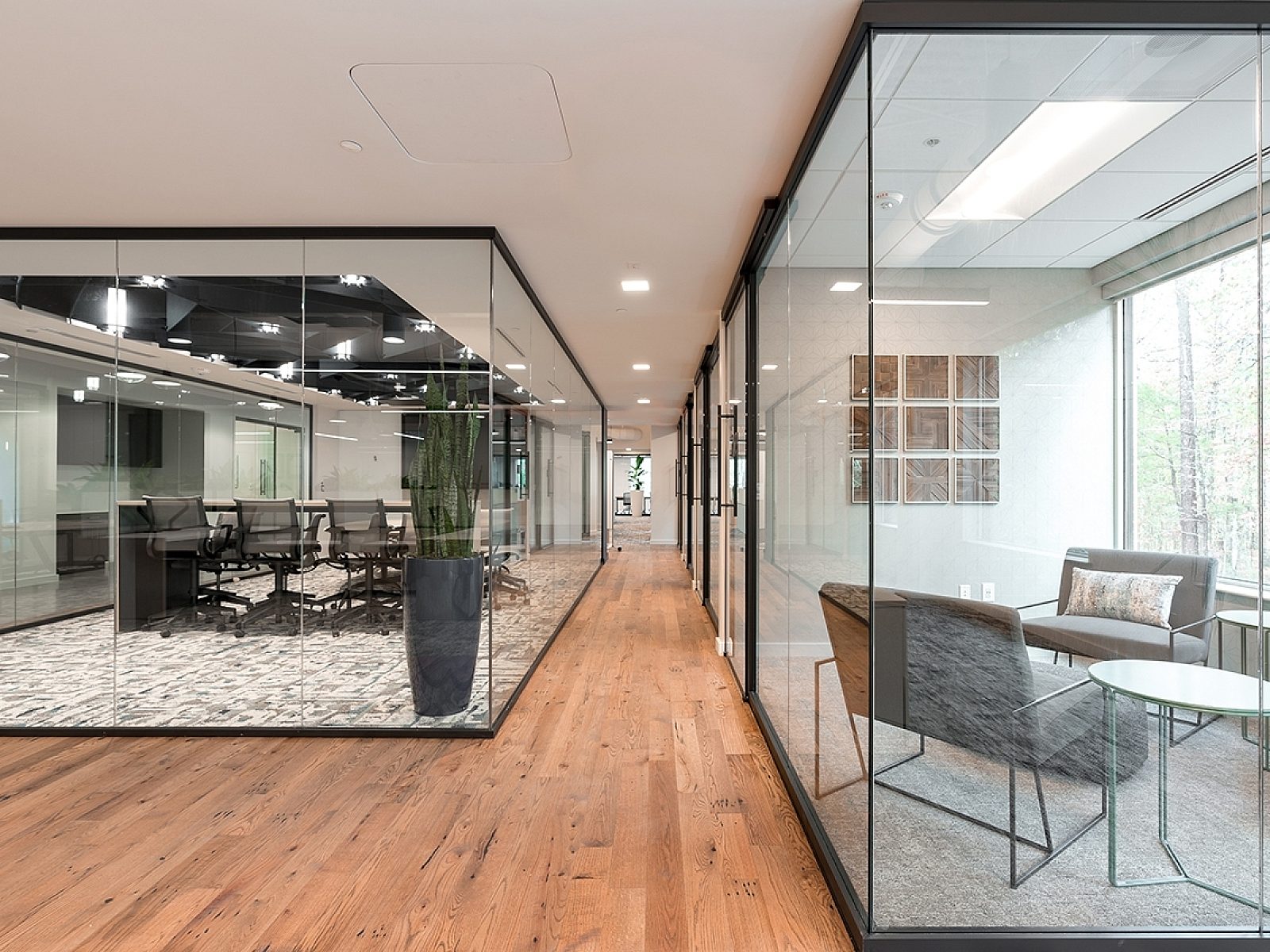
Shared faculty lounges, collaborative areas, meeting rooms, and touchdown spaces can support connection across departments and disciplines. These spaces are especially valuable for adjunct professors, visiting faculty, and others who may not have a dedicated office but still need a place to prepare, connect, or work between classes.
When faculty have access to environments that support their own well being and productivity, the benefits extend to students as well. Thoughtful faculty spaces can encourage mentorship, collaboration, and the informal interactions that are such an important part of the academic experience.

Flexibility for What Comes Next
Higher education is changing quickly. Teaching methods evolve, technology continues to advance, and the needs of students and faculty shift from one generation to the next.
That makes flexibility an increasingly important part of campus design.
Classrooms and common areas can benefit from furniture and layouts that support multiple configurations rather than a single prescribed use. Spaces can transition from lecture and instruction to group work, presentations, workshops, or informal collaboration. Flexible furniture can help institutions adapt spaces without requiring a complete renovation every time needs change.
The same principle applies beyond the classroom. When spaces are designed to serve multiple purposes, institutions can make better use of their existing footprint while creating environments that can evolve over time.
Designing for the Whole Campus Experience
The future of higher education design is not about creating a single ideal environment. It is about creating a campus that gives students and faculty choices.
It is a quiet place to study and a lively place to gather. A technology driven lab and a comfortable lounge. A private office for focused work and a shared touchdown space between classes. A classroom designed for instruction and a flexible environment ready for whatever comes next.
Together, these spaces create something much bigger than a collection of rooms. They create an environment that supports learning, connection, well being, and belonging.
At Alfred Williams & Company, we believe the best higher education environments are designed around the people who use them every day. When design considers the full campus experience, the result is a place where students can learn and connect, faculty can teach and collaborate, and the entire community has room to thrive.