






The Adaptive Workplace: Designing for What’s Next
The modern workplace is no longer something organizations design once and leave untouched for years. As teams shift, technology advances, and business priorities evolve, the workplace must be able to evolve alongside them.

Today, adaptability is no longer considered a bonus feature in workplace design, it is an expectation. But true adaptability goes beyond flexible furniture or open collaboration areas. The most effective workplaces are designed as connected systems, where space, technology, operations, and employee experience work together to support change over time.
At Alfred Williams & Company, we believe the future workplace should feel responsive rather than rigid, designed to adjust naturally as organizations grow and evolve.

Why Traditional Workplace Models Fall Short
For decades, office environments were designed around predictability. Teams were static, workflows were consistent, and long-term planning followed a relatively fixed structure.
That is no longer the reality.
Organizations today move faster than the built environment traditionally allows. Team sizes fluctuate, departments reorganize, and the way people work continues to shift year after year. Even offices designed with “flexibility” in mind often remain largely unchanged after move-in because adaptability requires more than movable pieces, it requires an ongoing strategy.
The workplace can no longer function as a static backdrop to business operations. It must actively support change as it happens.
Thinking Beyond Space Planning
Creating a workplace that can evolve successfully requires a broader, more connected approach to decision-making.
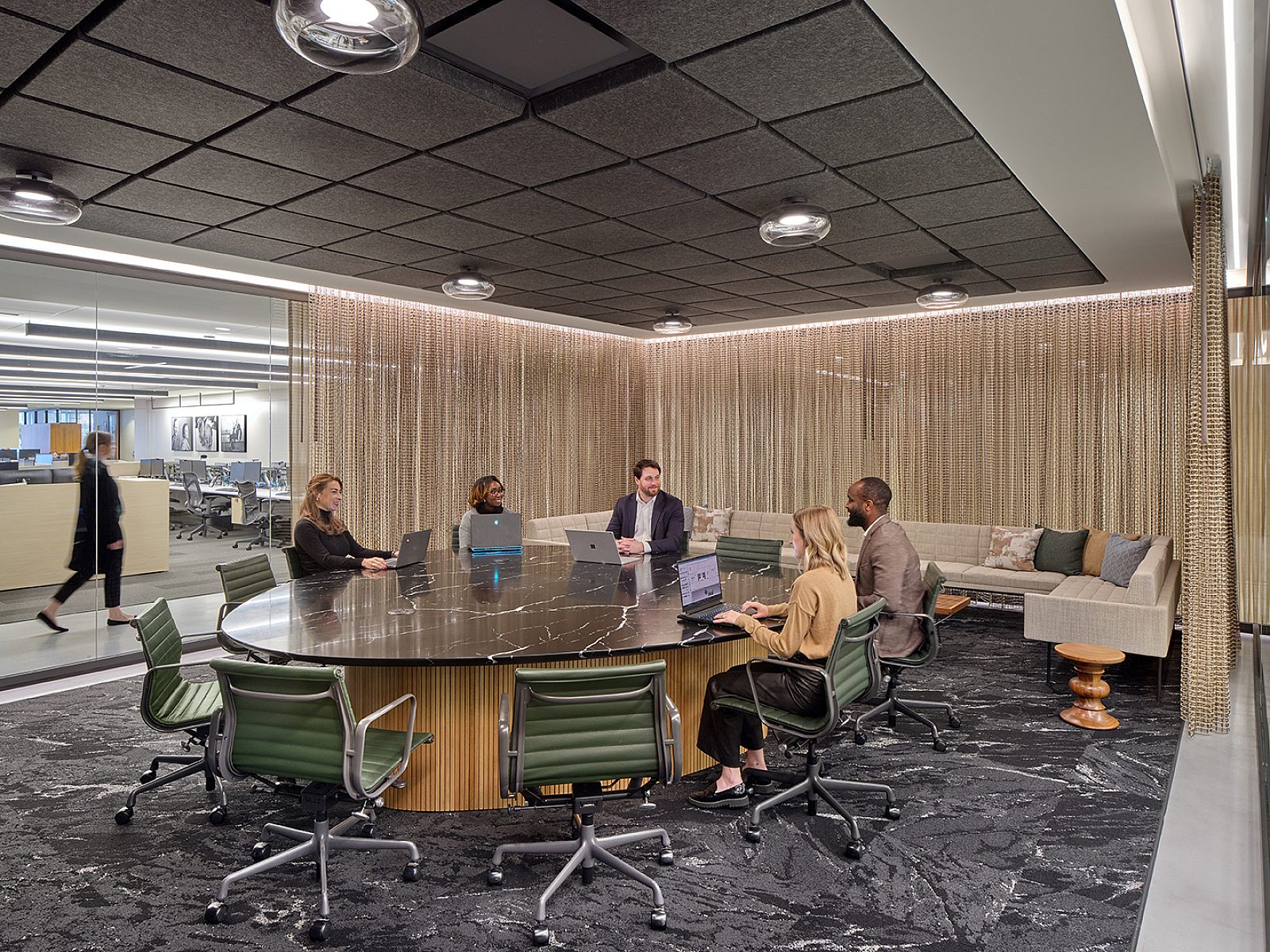
The most adaptable environments are shaped through collaboration across teams, including workplace strategy, facilities, HR, technology, and leadership. Together, these perspectives create a more complete understanding of how employees use space, what supports productivity, and where adjustments may be needed over time.
This approach shifts the conversation from simply managing square footage to continuously improving workplace performance and experience.
It also creates room for experimentation. Instead of striving for a perfect workplace from day one, organizations can build environments that respond and improve gradually through feedback, observation, and changing business needs.

Designing for Ongoing Change
Adaptability can take many forms within the workplace, from small day-to-day adjustments to larger spatial transformations.
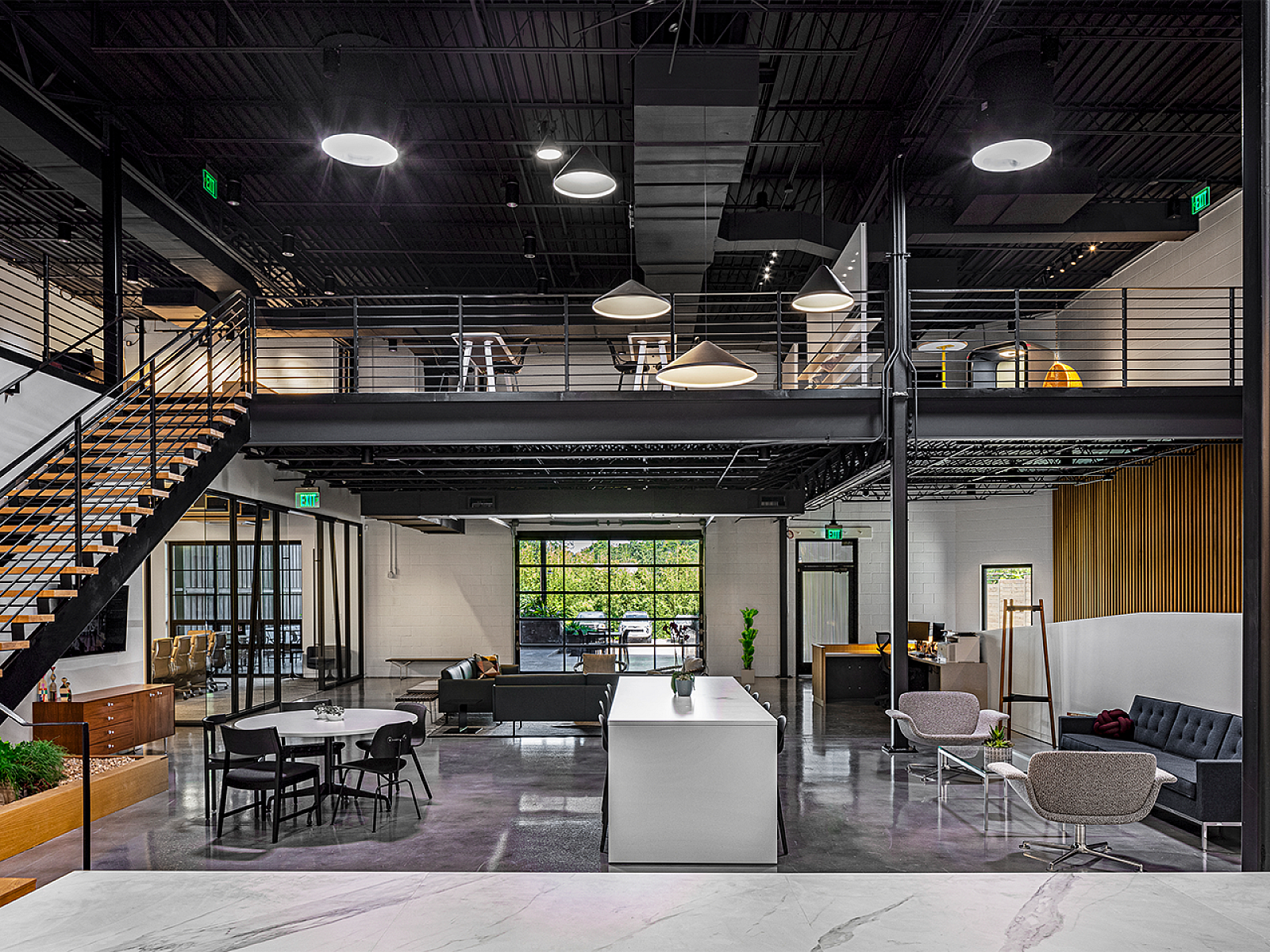
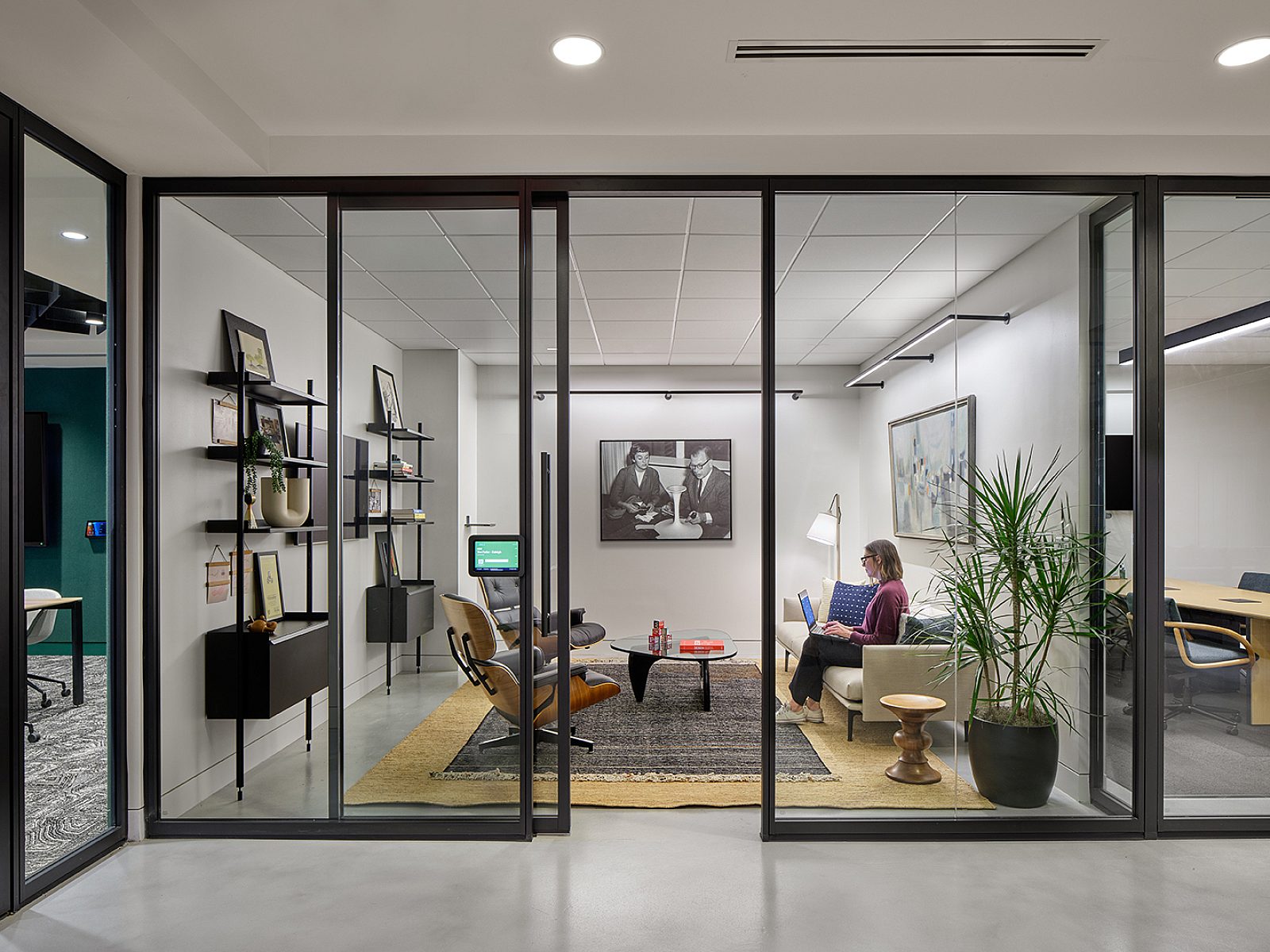
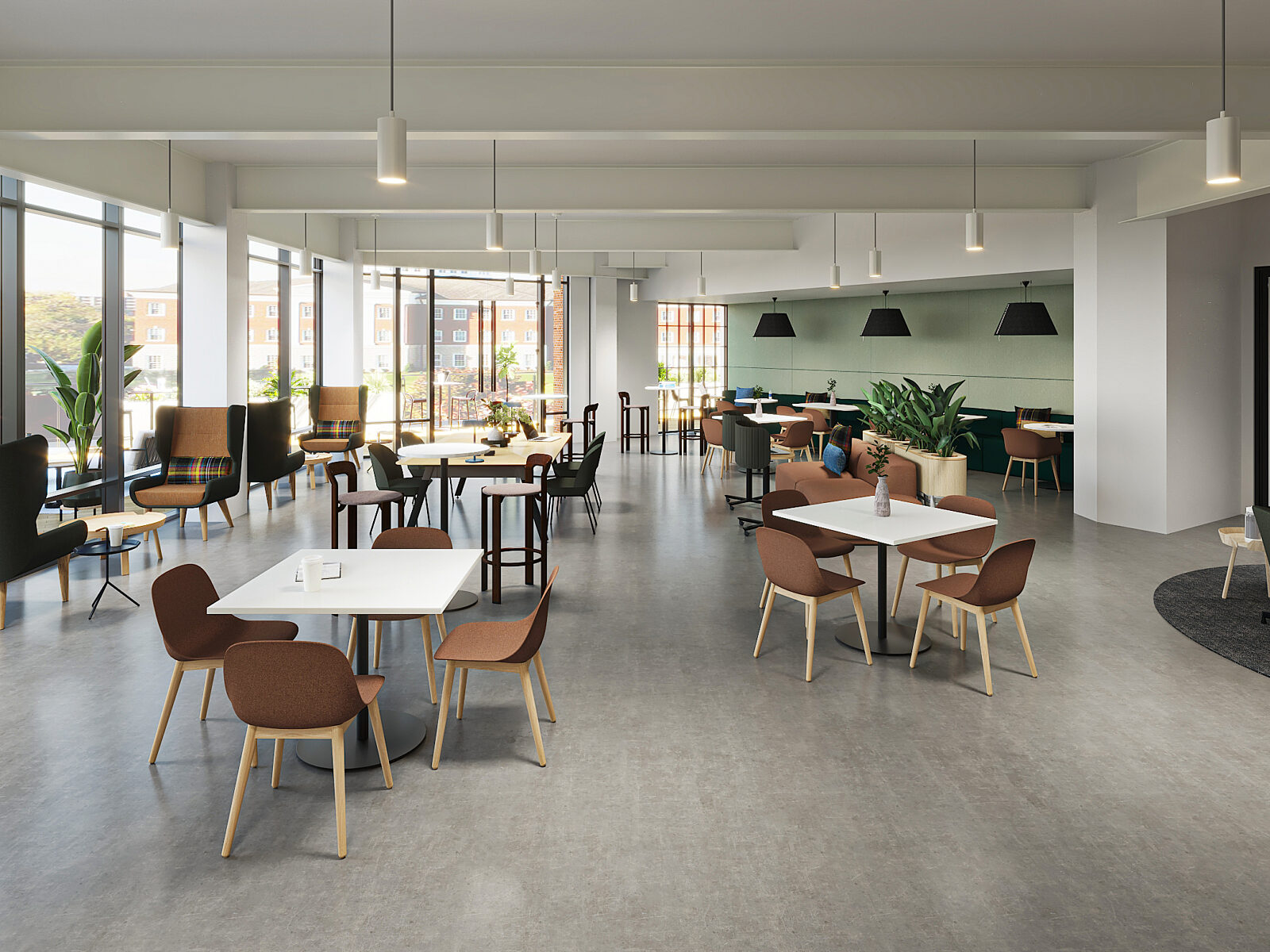
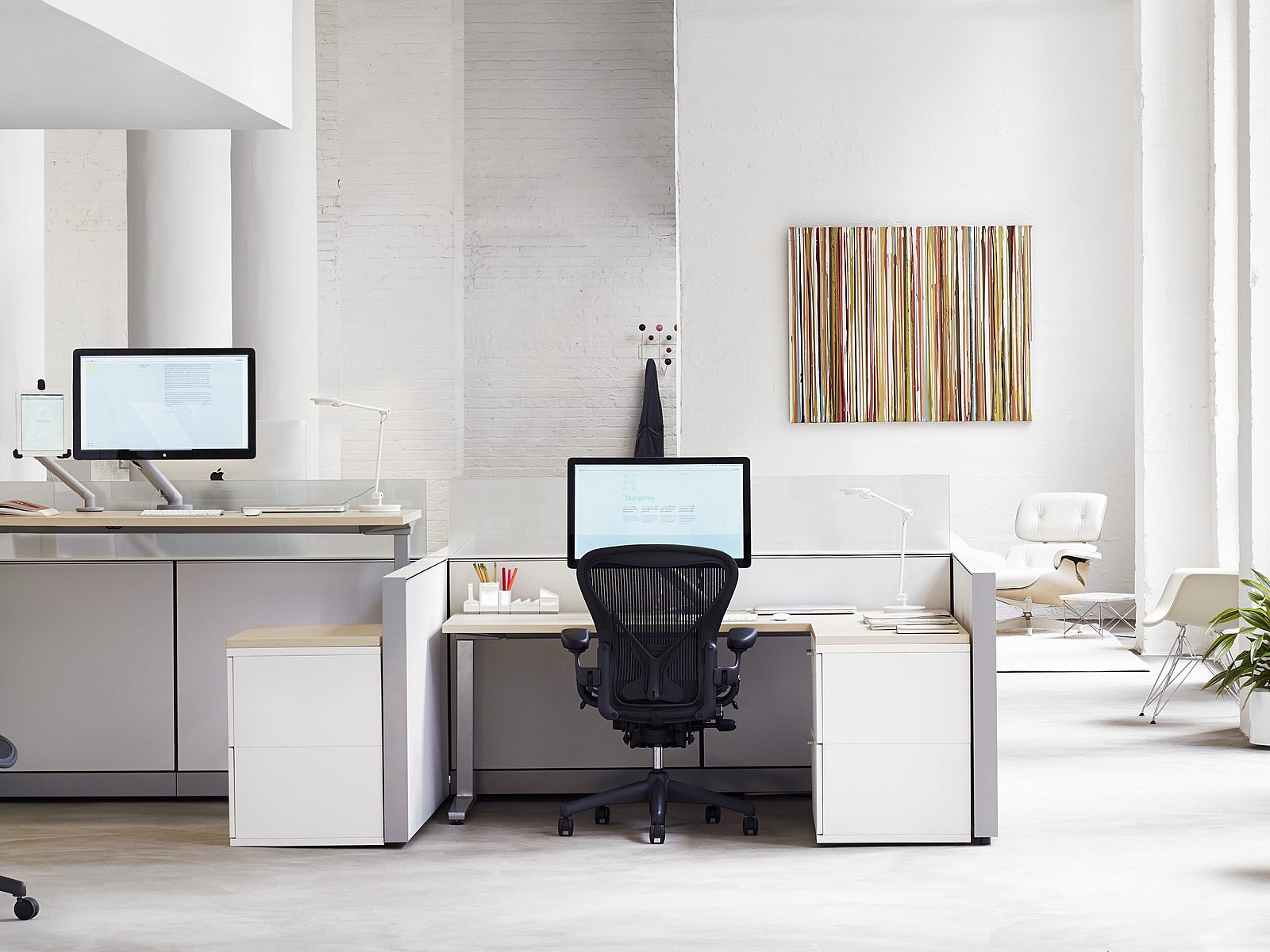
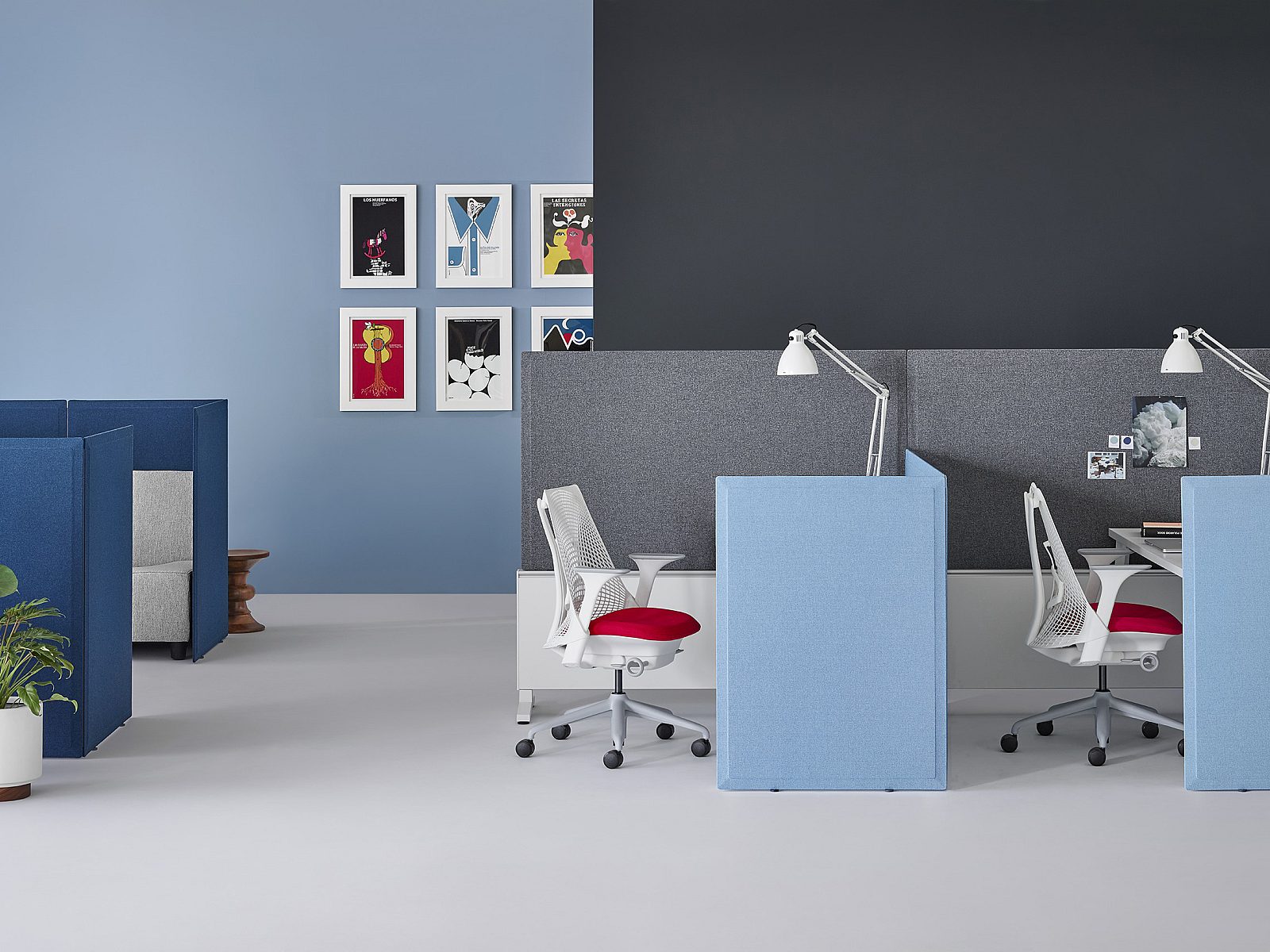
At the most immediate level, movable furniture, mobile technology, and flexible collaboration settings allow employees to shape their environment based on the work happening around them.
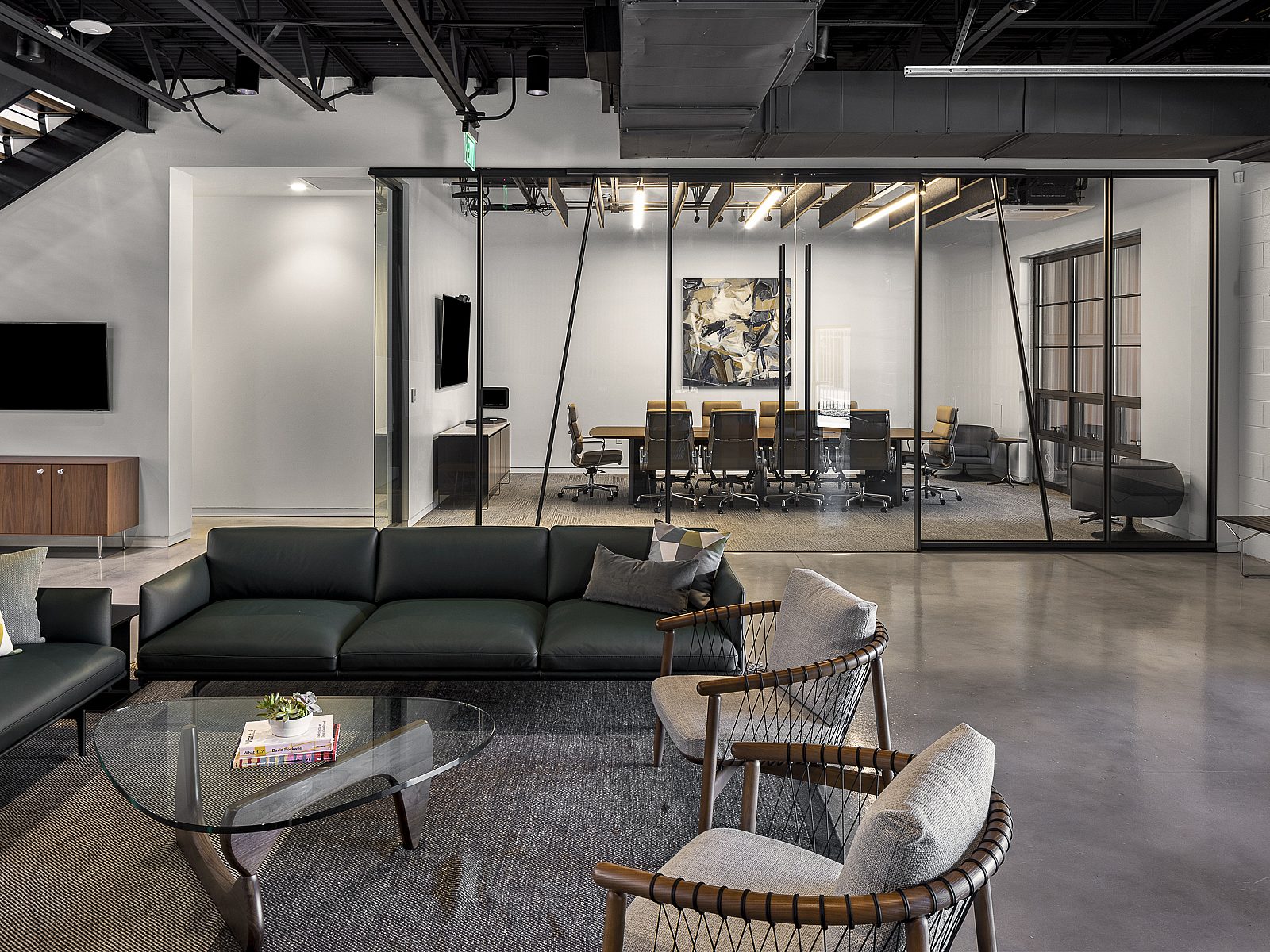
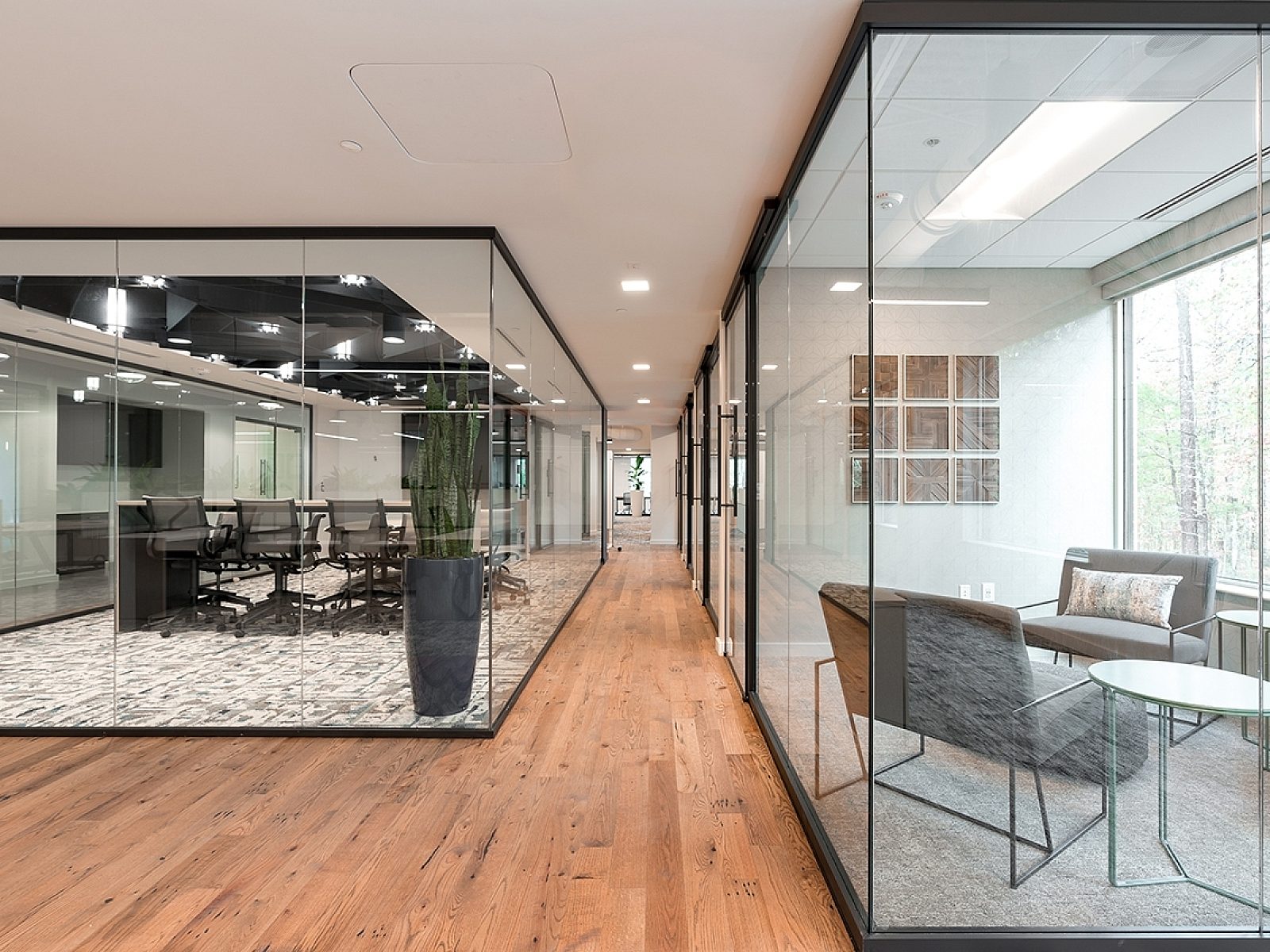
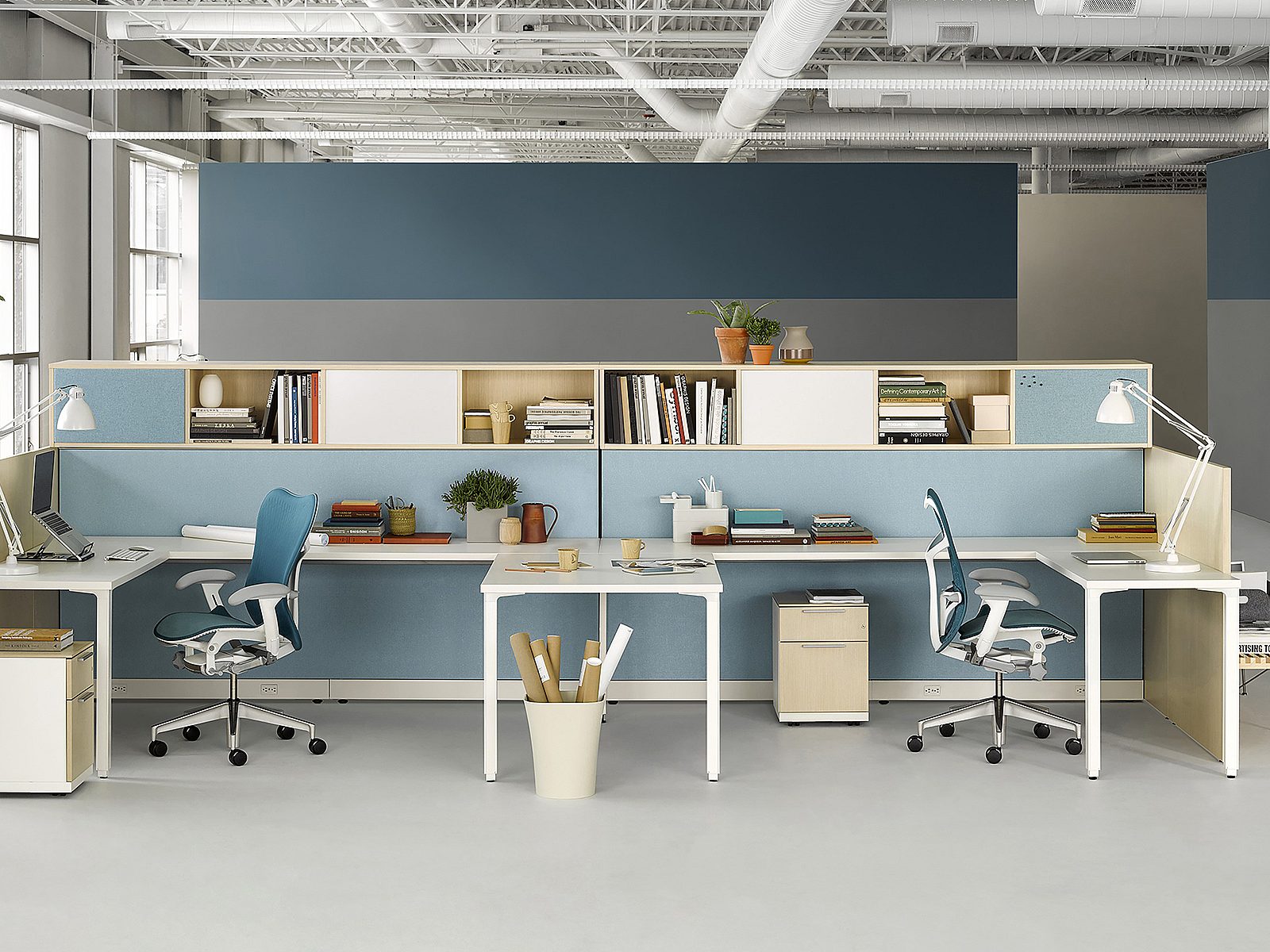
More advanced systems support broader shifts over time. Interchangeable furniture applications can help spaces transition between focused work and collaboration as teams evolve, while modular construction solutions make it possible to reconfigure workplaces with less waste, less downtime, and greater long-term efficiency.
Demountable systems, including prefabricated solutions from partners like DIRTT, support this level of adaptability while contributing to a more sustainable workplace lifecycle. Instead of rebuilding spaces entirely, organizations can adjust and reuse existing systems as needs change.
A Workplace That Continues to Learn
The most successful workplaces are not designed around permanence. They are designed around responsiveness.
As organizations continue to evolve, the workplace should evolve with them through regular evaluation, employee feedback, and thoughtful adjustments that support both operational goals and individual experience.
Not every improvement requires a renovation. Sometimes meaningful change comes from updating technology, introducing new work settings, or rethinking how teams interact within the space.
The goal is not constant reinvention, but continuous alignment.
The Future Workplace
The future workplace is not defined by a single layout or planning model. It is defined by its ability to adapt.
Organizations that embrace this mindset will create workplaces that feel more connected, more resilient, and more supportive of long-term growth.
Because the most effective environments are not the ones designed to stay the same, they are the ones designed to evolve naturally over time.
